
Choosing an elegant black wedding guest dress is about more than finding a beautiful outfit. The right dress should suit the wedding’s dress code, complement the venue and season, and feel comfortable enough for the ceremony, reception, and dancing afterward.
Black is a versatile choice for many contemporary weddings because it can look understated, sophisticated, or formal depending on the fabric, silhouette, and accessories. A floor-length satin gown may suit an evening reception, while a simple crepe dress or a refined midi silhouette may be better suited to a semi-formal celebration.
This guide explains how to choose an elegant black wedding guest dress based on dress code, length, neckline, fabric, fit, and venue. You’ll also find a comparison table, practical styling advice, and answers to common wedding guest outfit questions. You can also read our guide to black wedding maxi dress ideas.
1. Start With the Wedding Dress Code
Before choosing a dress, check the invitation or wedding website. The dress code is the clearest indication of how formal your outfit should be.
Black-tie weddings
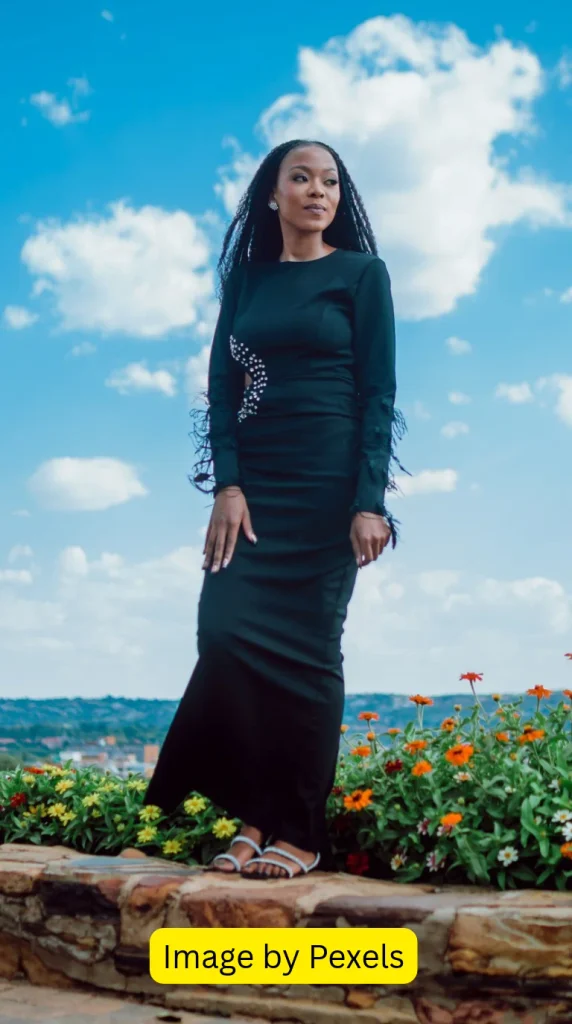
A black-tie wedding generally calls for a formal, polished outfit. A floor-length black gown in satin, crepe, velvet, or another refined fabric can be an appropriate choice.
Look for thoughtful tailoring, a well-finished hem, and a silhouette that suits the occasion. Accessories can remain understated if the dress already features a dramatic neckline or embellishment.
Formal or black-tie-optional weddings
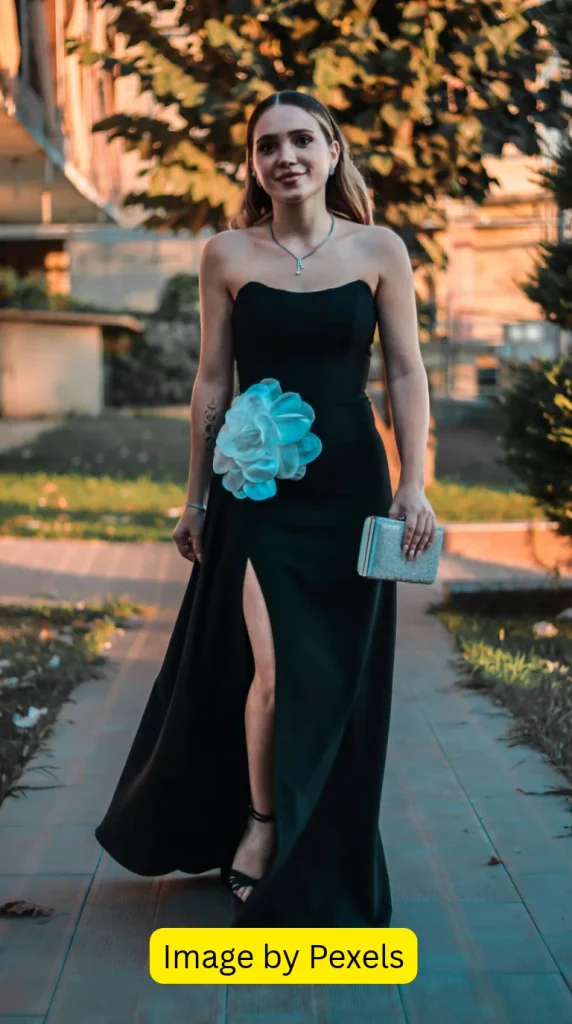
For a formal wedding, a maxi dress is often a suitable option, although a sophisticated midi dress may also work depending on the venue and invitation.
Choose a dress with a refined finish rather than one that looks like everyday clothing. Structured fabric, elegant draping, and carefully chosen shoes can make a simple design feel more formal.
Semi-formal weddings
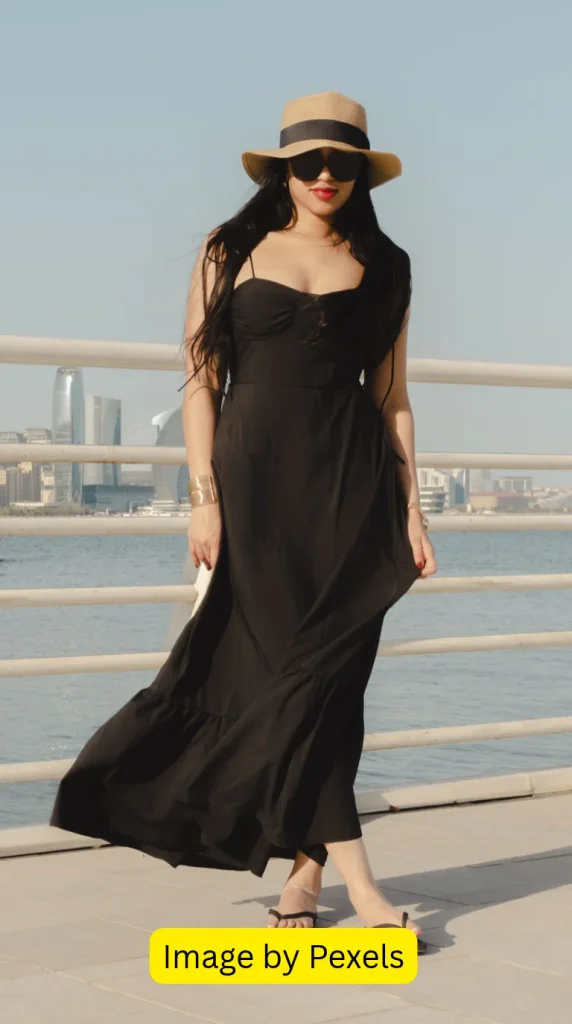
Semi-formal dress codes offer more flexibility. A streamlined black maxi dress, a wrap dress, or a dress with subtle pleating can work well when styled with appropriate footwear and accessories.
You do not necessarily need heavy embellishments or a dramatic evening gown. Focus on a polished fit and a fabric that suits the event.
Cocktail weddings
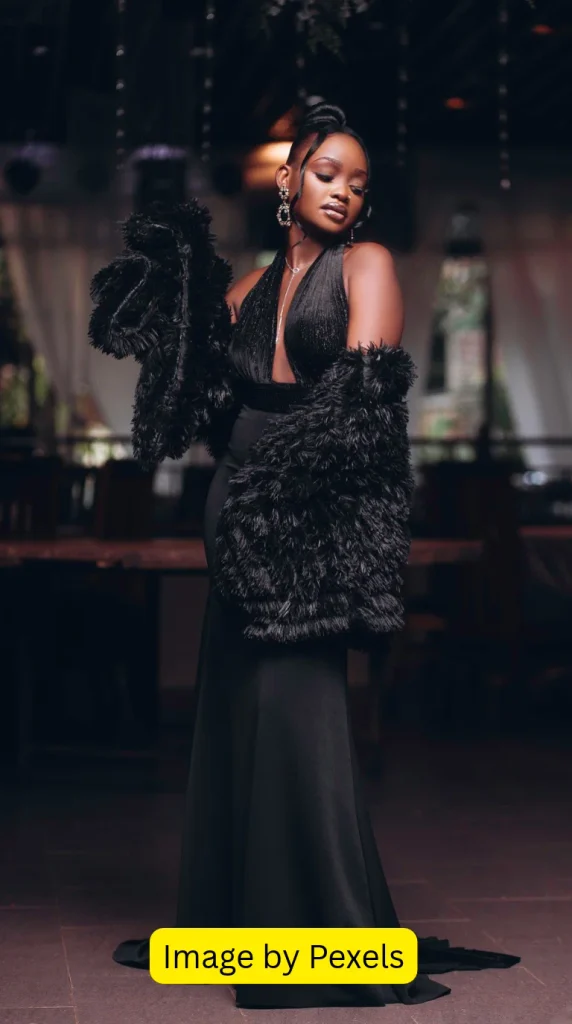
Cocktail attire typically allows shorter hemlines, including elegant midi dresses. If you prefer a maxi dress, choose one with a lighter, less formal design that still feels appropriate for the celebration.
Practical tip: If the dress code is unclear, ask the couple or wedding planner rather than assuming that every wedding requires the same level of formality.
2. Choose the Right Dress Length
Dress length affects both the appearance and practicality of a wedding guest outfit. The venue, dress code, weather, and your preferred level of coverage can help narrow the options.
Floor-length gowns
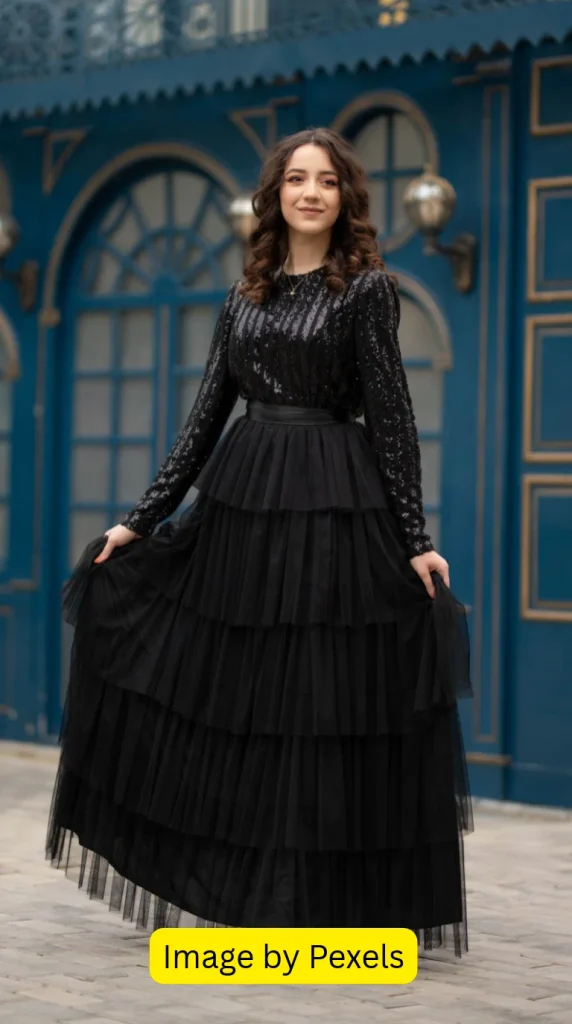
A floor-length black gown creates a traditional formal appearance. It is particularly suitable for black-tie receptions and elegant evening celebrations.
Make sure the hem works with the shoes you plan to wear. A dress that drags excessively on the ground can become difficult to manage, especially on stairs or outdoor paths.
Ankle-length maxi dresses
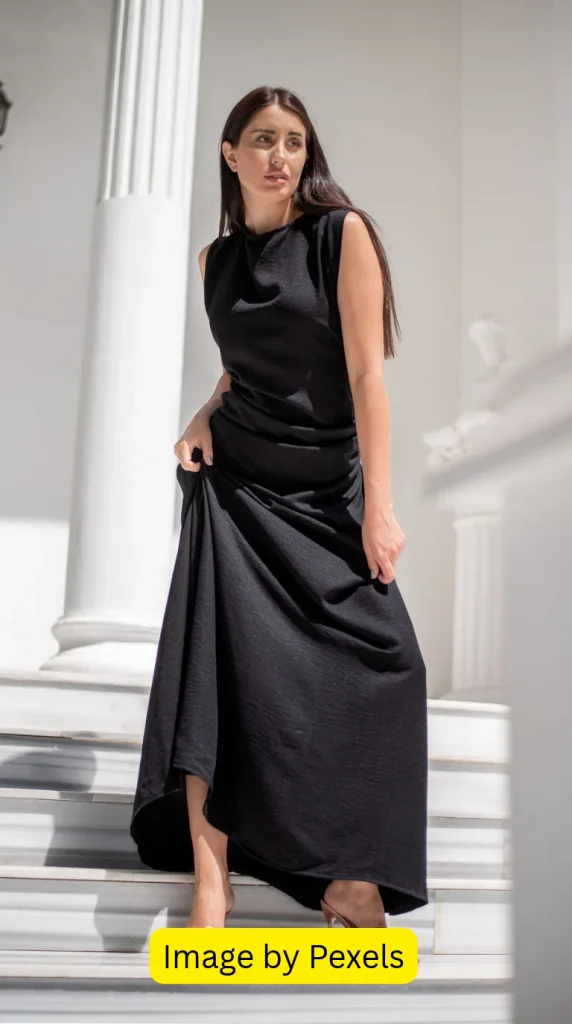
An ankle-length maxi dress offers the visual effect of a long gown without requiring the hem to touch the floor. It can be practical for guests who expect to walk between different areas of a venue.
This length works across several wedding settings, depending on the fabric and construction.
Midi dresses
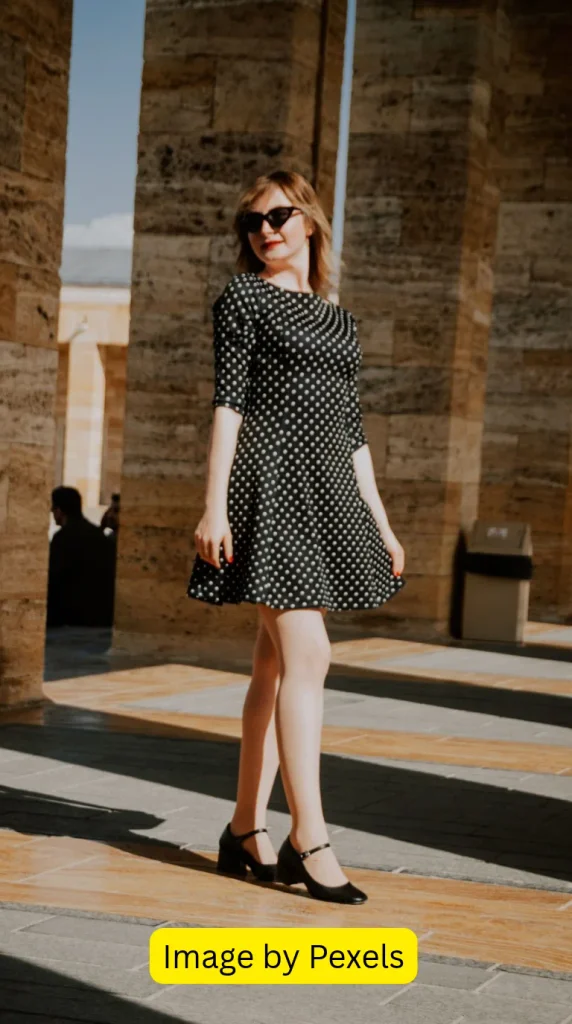
A midi dress falls between the knee and ankle. It can be a suitable choice for cocktail, semi-formal, and some formal weddings.
For a dressier finish, look for structured crepe, satin, subtle pleating, or a well-defined waist. Shoes become more visible with this length, so consider how they complement the overall outfit.
How to decide
Choose the length that meets the dress code and allows you to move comfortably. If the wedding takes place outdoors, consider whether the hem will drag through grass, sand, or wet ground.
3. Select a Neckline That Suits the Occasion
The neckline can change the character of a black dress without requiring a different color or elaborate decoration.
V-neck
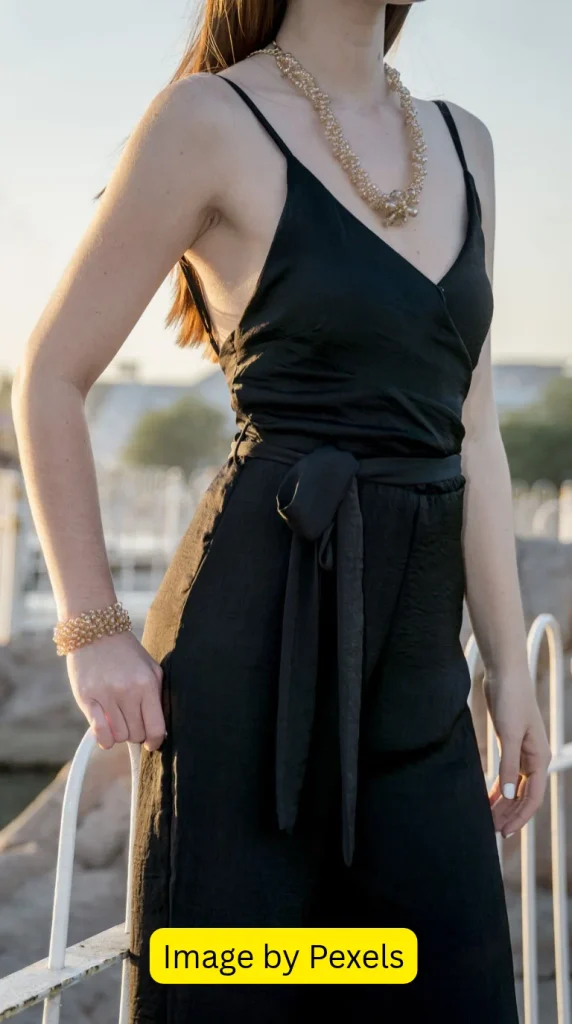
A V-neck creates a vertical line through the upper body and works with many dress silhouettes. It can look elegant on a simple crepe gown or a flowing maxi dress.
Check that the neckline remains secure when you sit, bend, and move around.
Square neckline
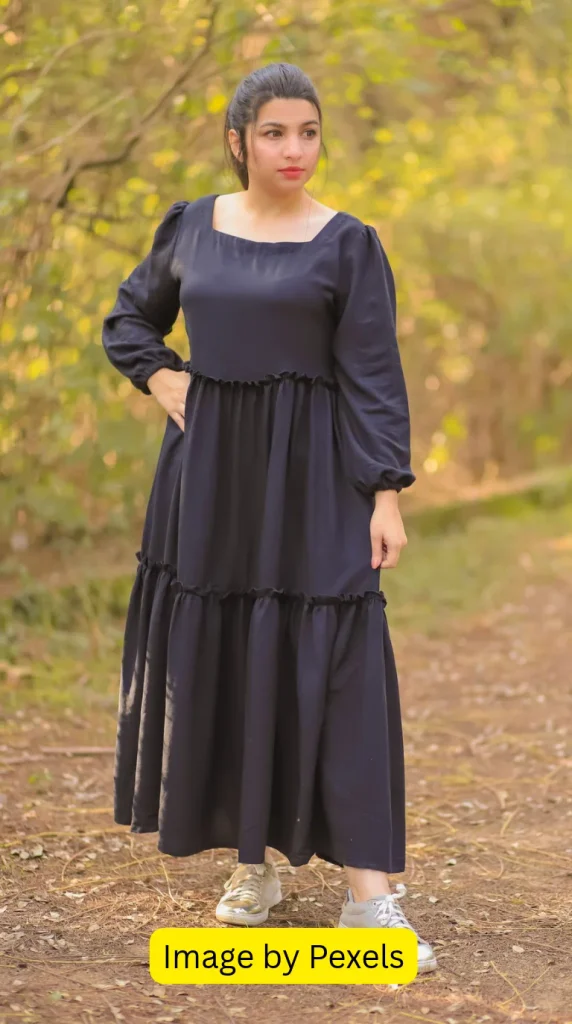
A square neckline creates a defined, structured appearance. It pairs well with A-line skirts, fitted bodices, and dresses with simple straps.
Because the neckline has a strong shape, delicate earrings or a bracelet may be sufficient accessories.
Boat neckline or high neckline
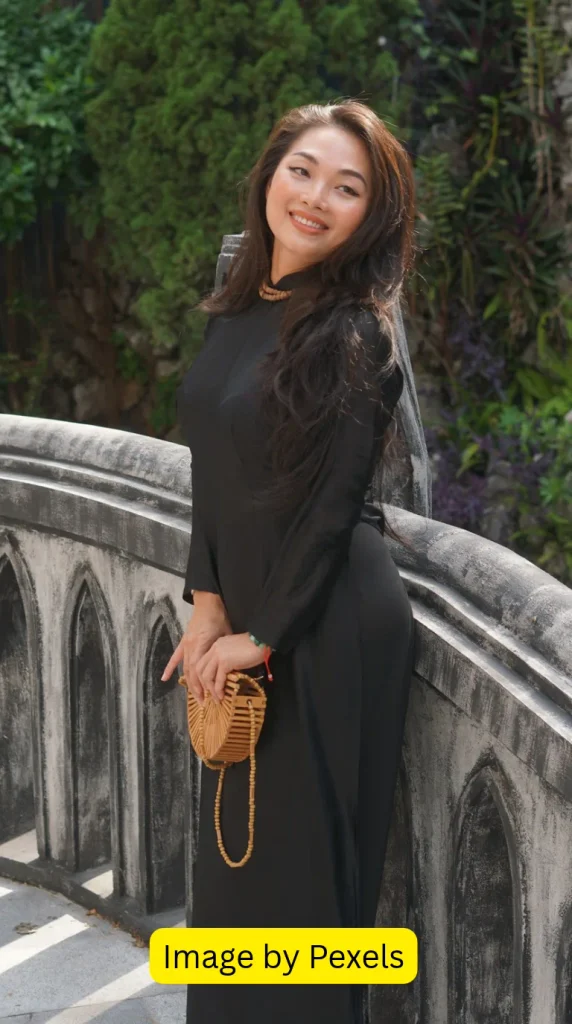
A boat neckline or high neckline offers more coverage and can create a refined, minimalist look. These designs work particularly well when the dress has clean lines and carefully tailored seams.
If the neckline is already a focal point, a necklace may be unnecessary.
Off-shoulder neckline
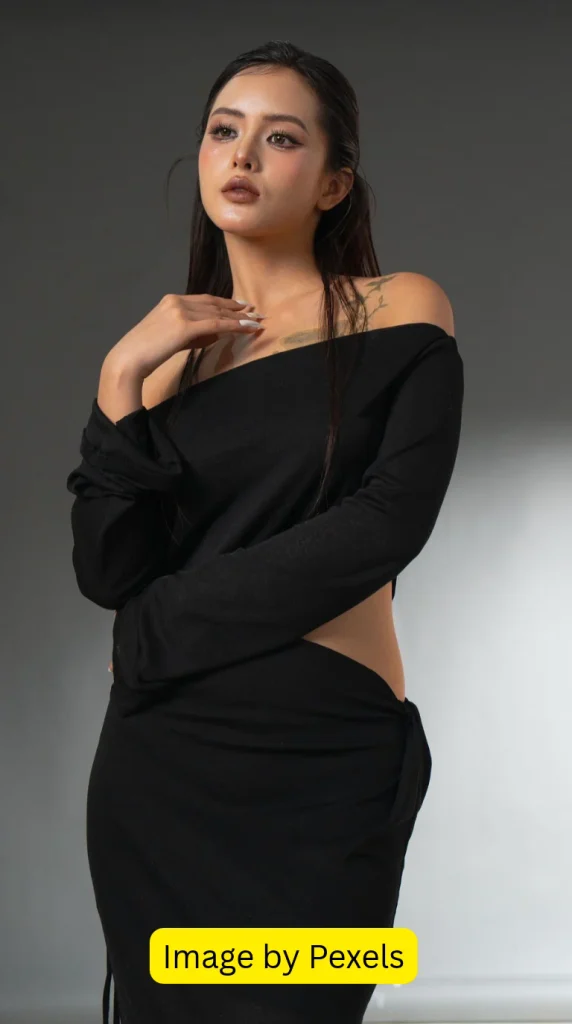
An off-shoulder dress highlights the shoulders and collarbone. It can be appropriate for many evening celebrations, provided the design suits the wedding’s dress code and the bodice stays comfortably in place.
Consider bringing a wrap if the venue is cool or the ceremony takes place outdoors.
One-shoulder neckline
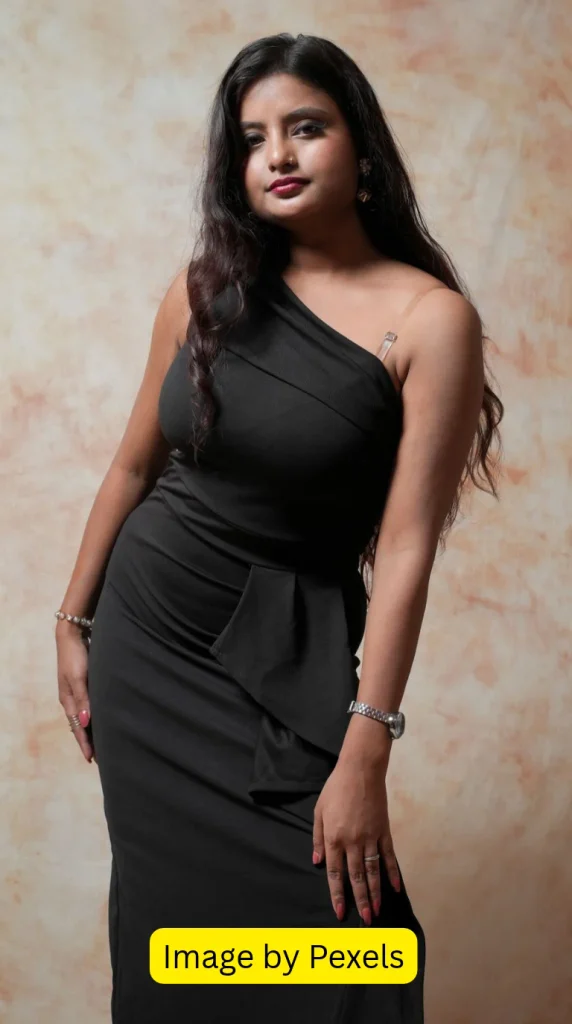
A one-shoulder design introduces asymmetry without requiring a print or elaborate embellishments. It works well with a streamlined skirt and restrained accessories.
Before purchasing, check whether the dress provides suitable support and allows comfortable arm movement.
4. Pick a Fabric That Matches the Wedding
Fabric influences how formal a dress looks, how it moves, and how comfortable it feels throughout the event.
Satin
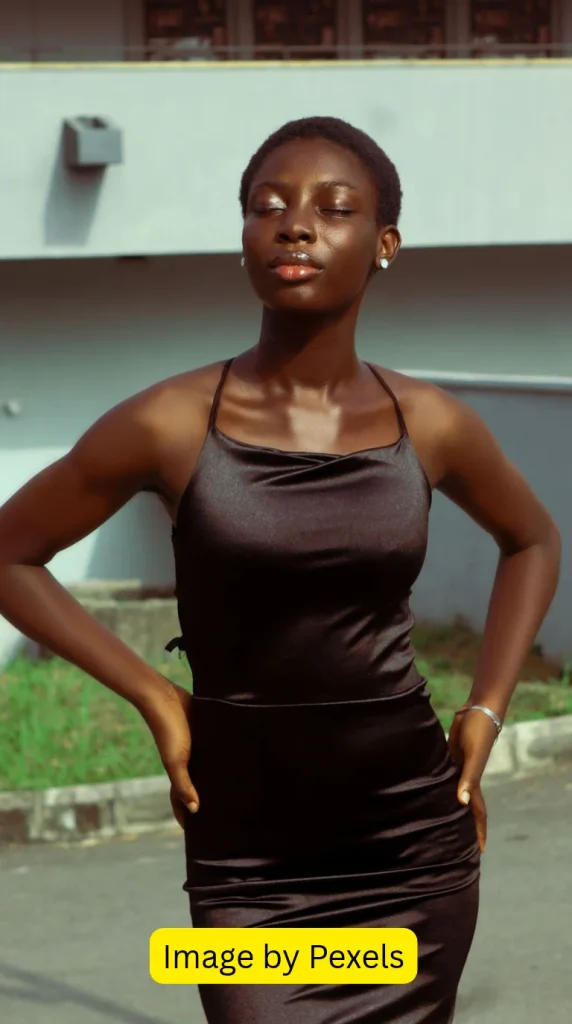
Satin has a smooth surface and subtle sheen that can make a black dress feel dressy. It is a useful option for formal receptions and evening weddings.
Consider how the fabric drapes and whether it shows creases easily. The lining and cut can also affect comfort.
Crepe
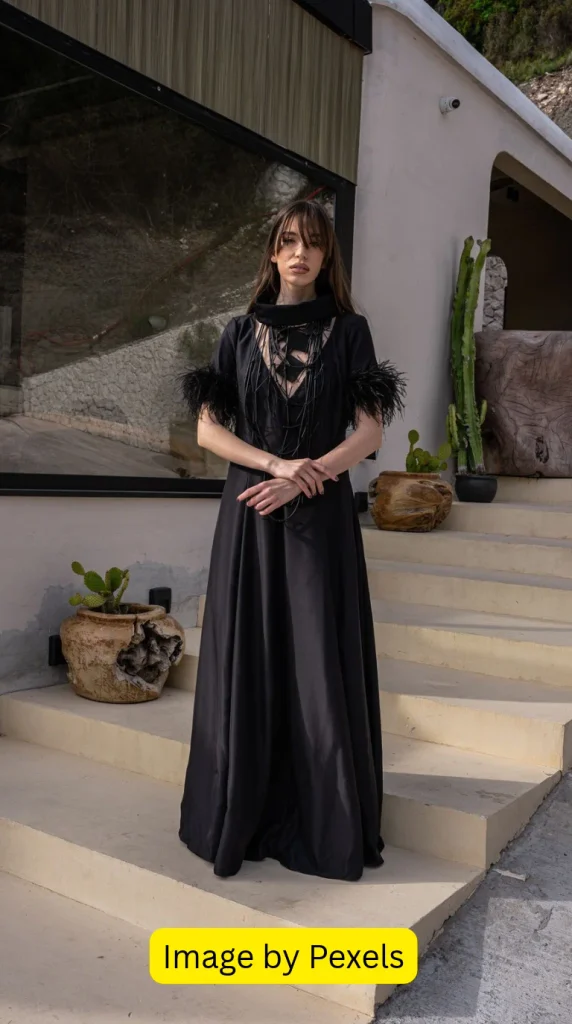
Crepe often has a more understated finish than satin. Depending on its weight and construction, it can work well for structured gowns, minimalist dresses, and tailored silhouettes.
It is worth considering when you want an elegant outfit without a highly reflective surface.
Chiffon
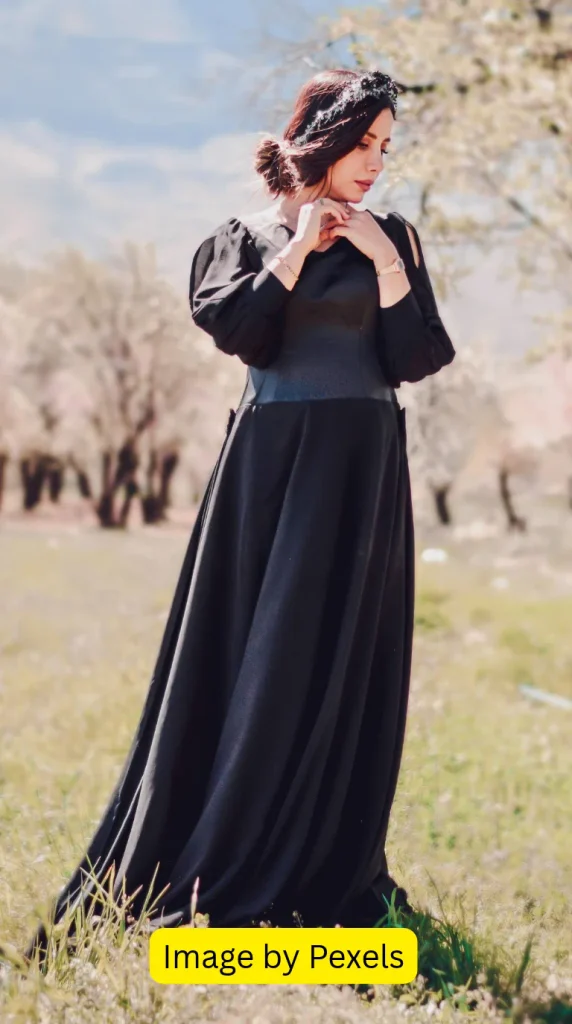
Chiffon creates soft movement and is often used for flowing skirts, sleeves, and layered dresses. It can suit garden weddings and warm-weather celebrations.
Check that the dress has appropriate lining, especially if the fabric is lightweight or the ceremony takes place in bright daylight.
Velvet
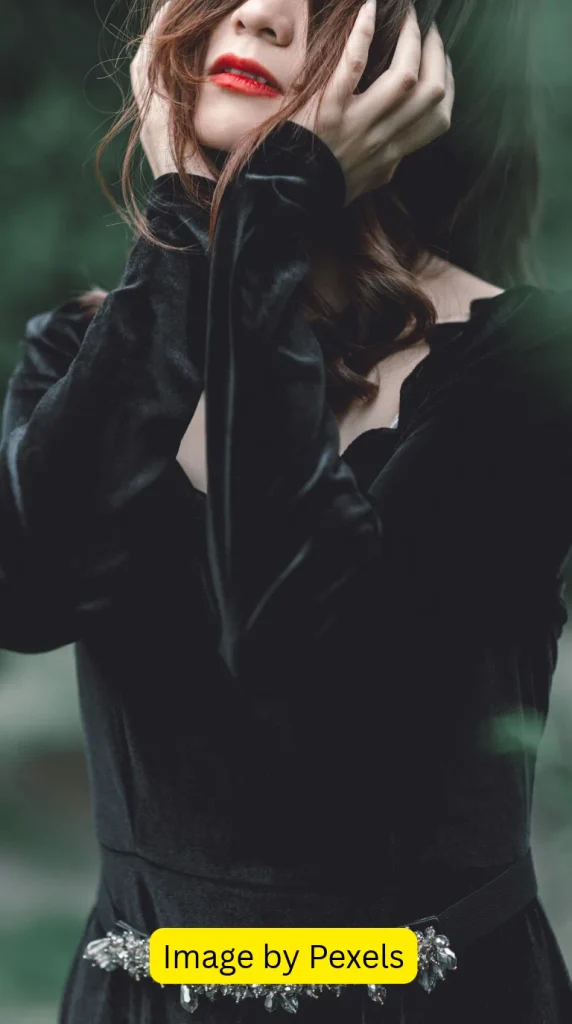
Velvet adds texture and depth, making it an option for fall and winter weddings. A simple velvet gown can feel formal without needing much embellishment.
Because velvet can be warm, consider the expected temperature and whether the reception venue will be heated.
Lace
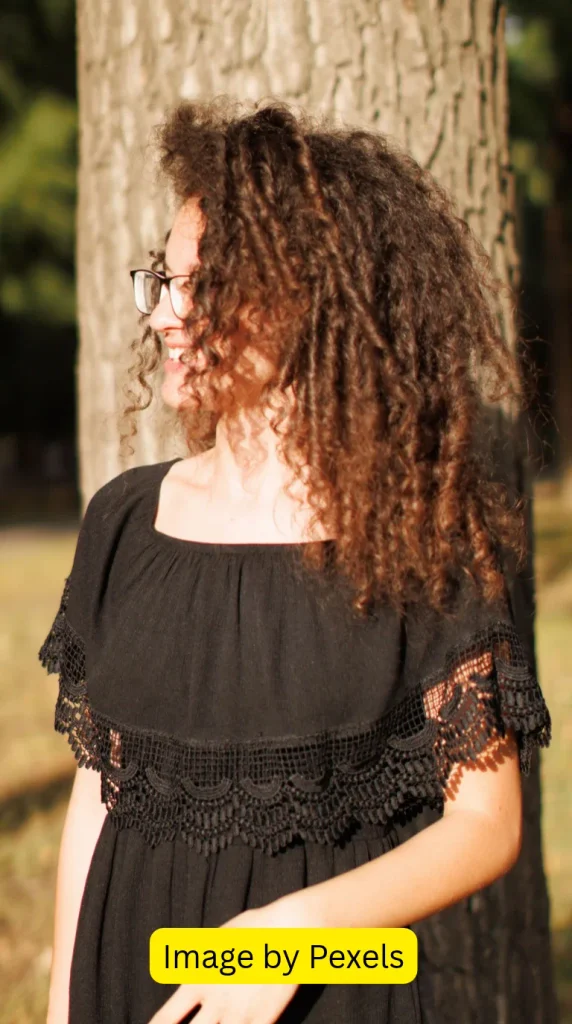
Lace adds texture and detail to sleeves, bodices, or full dresses. It can create a romantic appearance, especially when paired with a simple silhouette.
Check the lining, construction, and level of transparency to make sure the dress provides the coverage you want.
How to choose
Rather than choosing fabric based on appearance alone, consider the season, indoor temperature, length of the event, and how easily the dress can be cared for. A beautiful fabric is only practical if you can wear it comfortably.
5. Find a Silhouette That Feels Right
There is no single dress shape that works best for every wedding guest. Focus on the cut, fit, and movement that suit your preferences.
A-line dress
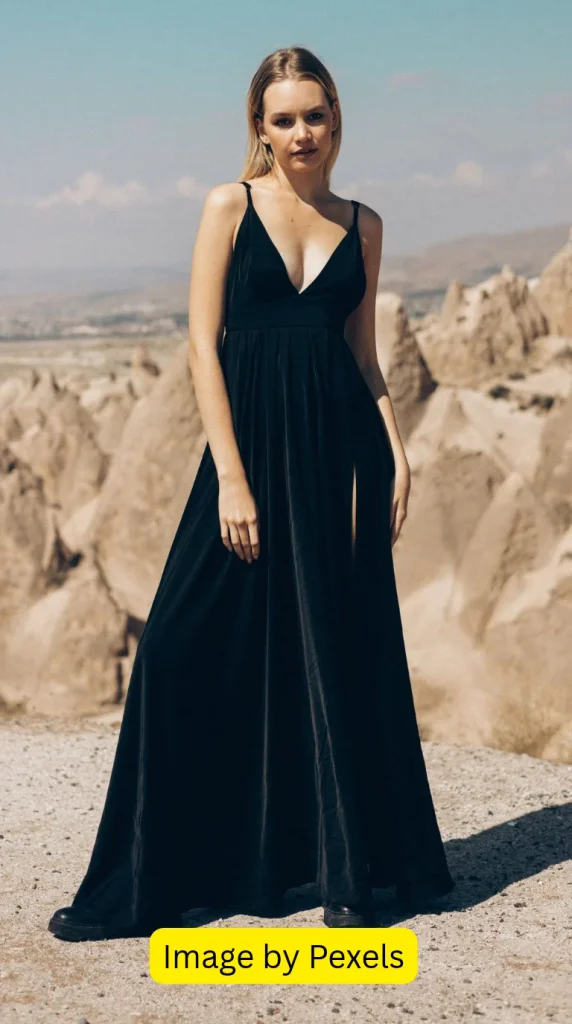
An A-line dress gradually flares from the waist. It provides movement through the skirt and can be adapted to casual, semi-formal, or formal events through fabric and construction.
Column dress
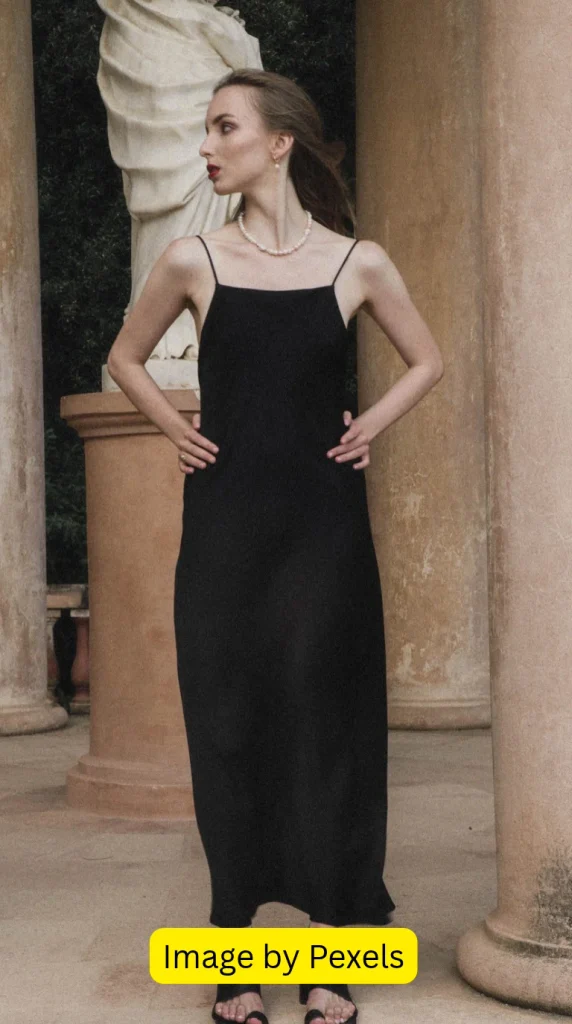
A column dress follows a relatively straight line through the body. It is a good option for a minimalist outfit, particularly when made from a refined fabric such as crepe or satin.
Check that the skirt allows enough movement for walking and sitting.
Wrap dress
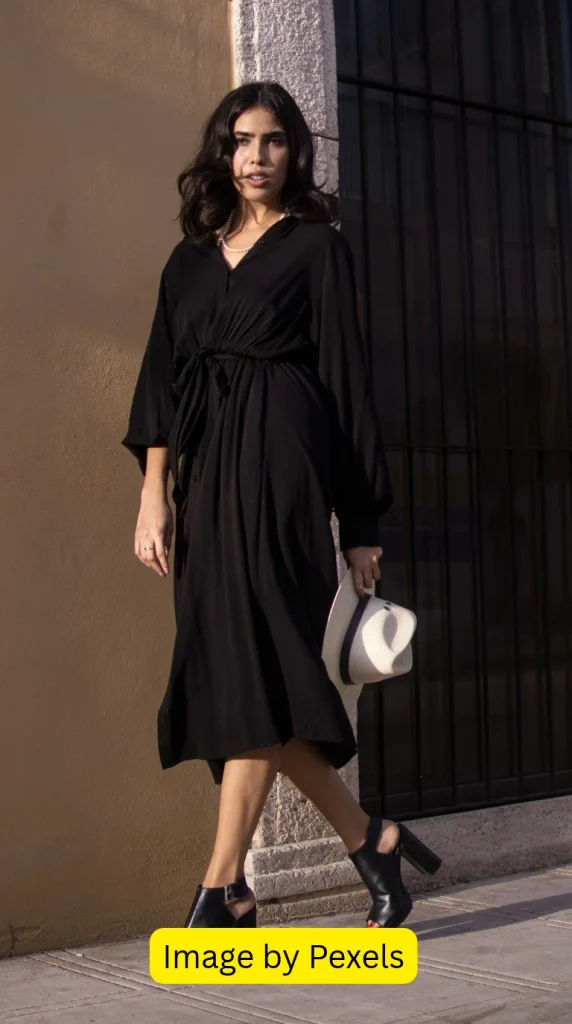
A wrap dress features an overlapping front, often with a tie or adjustable fastening. It can offer flexibility around the waist, depending on the design.
Check the neckline and skirt coverage while moving to ensure that the dress remains secure throughout the event.
Empire-waist dress
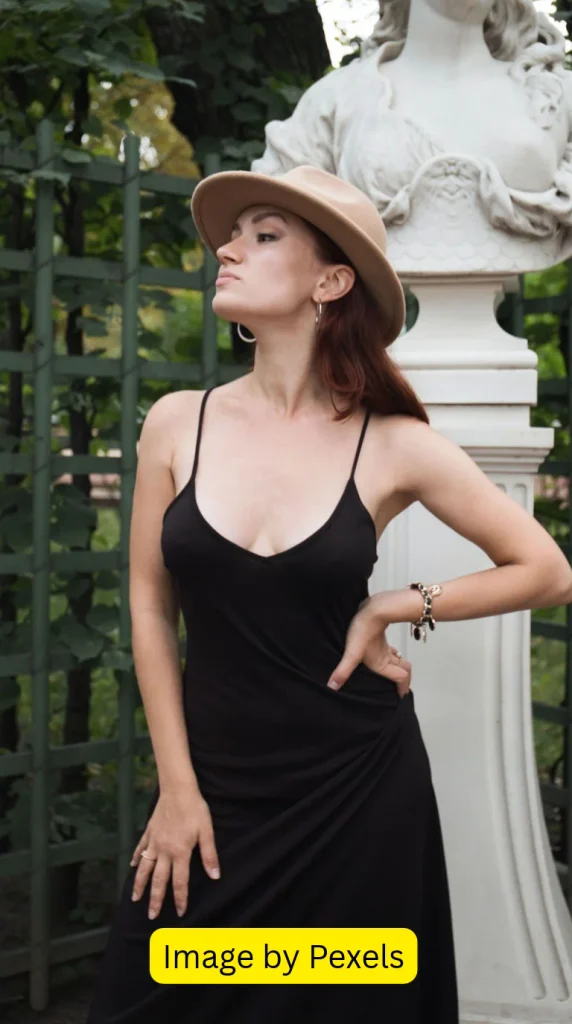
An empire-waist dress has a waistline positioned above the natural waist. Depending on the fabric and cut, it can create a flowing silhouette with less emphasis on the waist itself.
Look for a design with balanced proportions and a skirt that moves comfortably.
Pleated dress

Pleats add texture and movement without relying on decorative details. A pleated skirt can look elegant with a simple bodice, while a more structured design may suit a formal reception.
The most useful fitting test: Try sitting, walking, climbing a few steps, and raising your arms. The dress should stay in place and allow you to move without constant adjustments.
6. Consider Sleeve Length and Coverage
Sleeve length can affect both comfort and the overall style of a wedding guest dress.
Sleeveless dresses
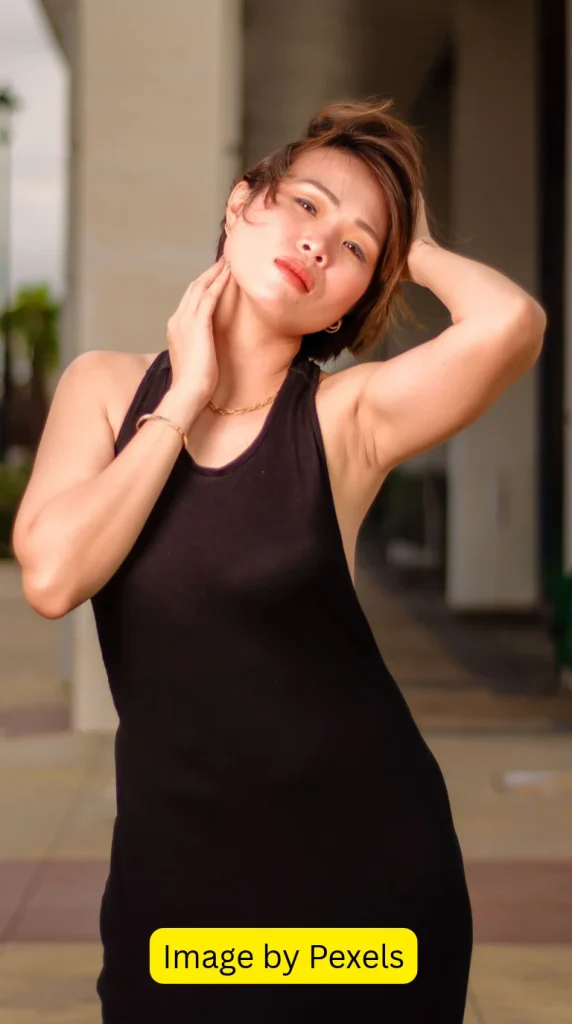
Sleeveless dresses are versatile and can be worn across seasons when styled appropriately. For cooler venues, add a tailored jacket, formal shawl, or wrap.
Short sleeves and cap sleeves
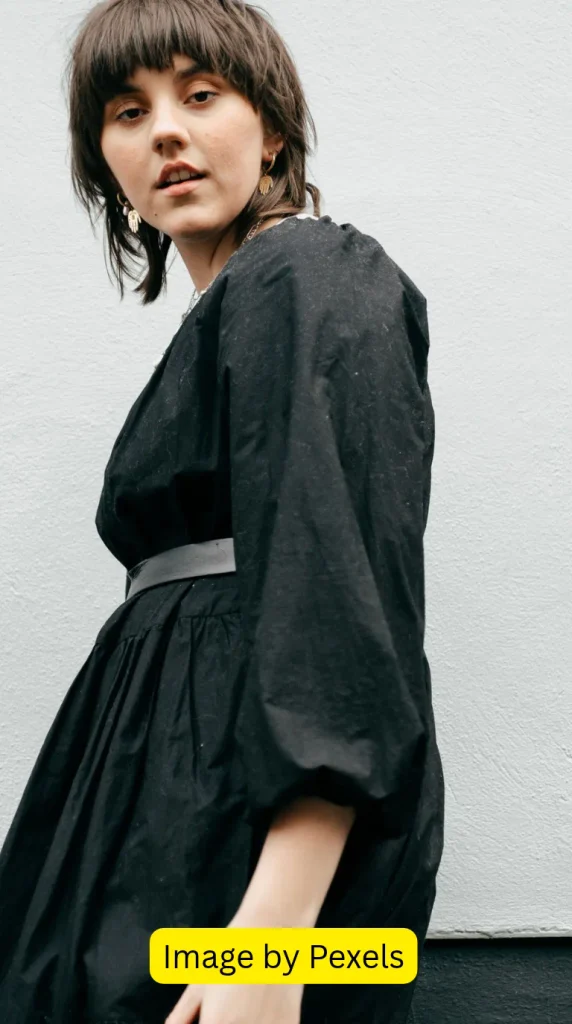
Short sleeves offer a little extra coverage without adding much fabric. They can work well with simple A-line, sheath, or maxi dresses.
Long sleeves
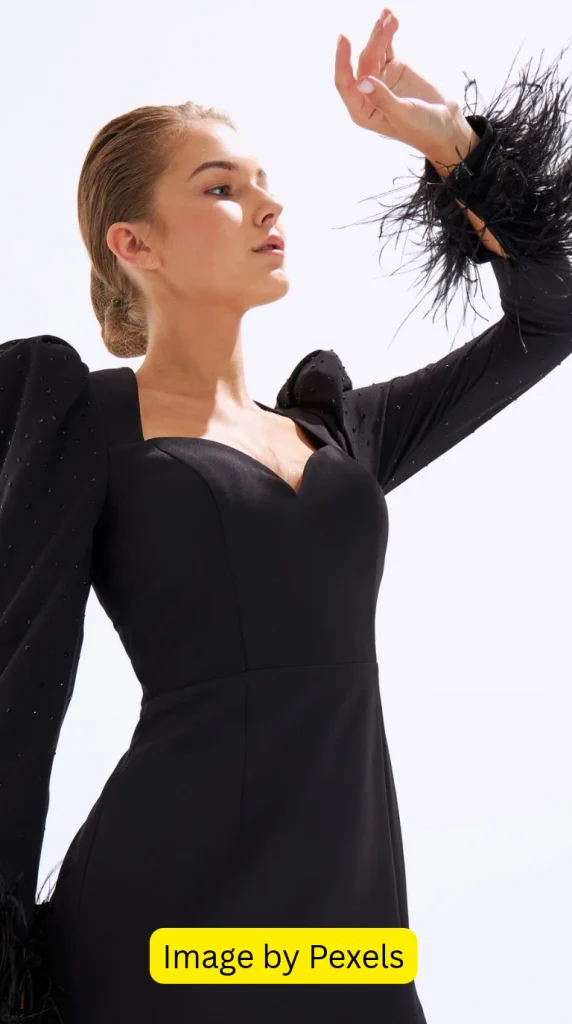
Long sleeves can create a formal appearance and may be practical for cooler weather. Choose lighter materials for warm venues and more substantial fabrics for winter celebrations.
Lace or sheer sleeves
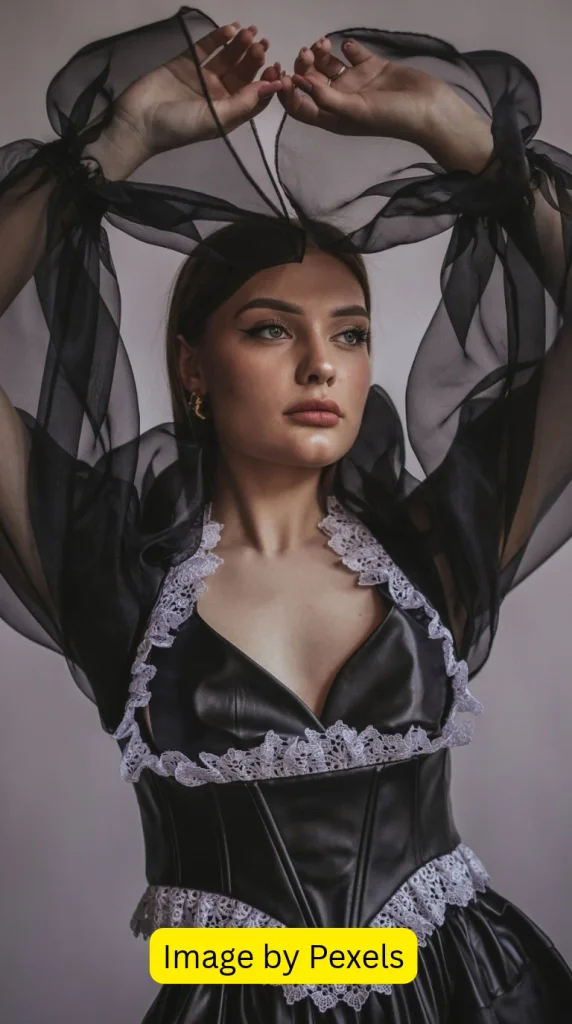
Lace sleeves add texture, while sheer sleeves create a lighter effect. Check the level of transparency and whether the design suits the wedding’s dress code.
Choosing coverage
Think about personal comfort, cultural expectations, weather, and the formality of the ceremony. If you want additional coverage, a matching wrap or tailored jacket can be a useful option without requiring a completely different dress.
7. Style the Dress for the Wedding Venue
A dress that works beautifully in a ballroom may be less practical for a beach ceremony. Use the venue as a guide when choosing fabric, shoes, and accessories.
Ballroom or hotel wedding
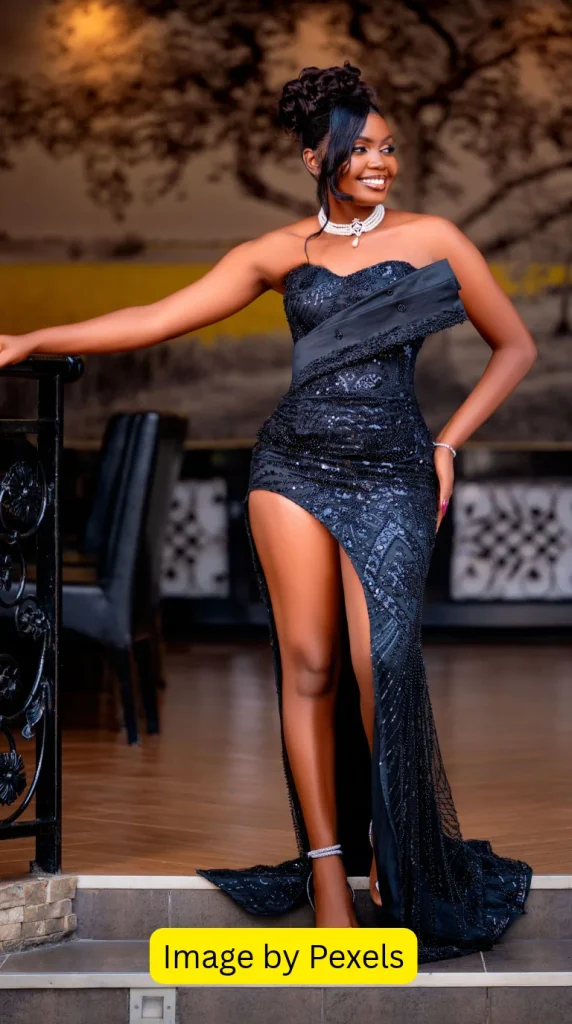
A ballroom reception often suits a more formal outfit. Satin, crepe, velvet, and other refined fabrics can work well, depending on the season and dress code.
Consider classic pumps, elegant sandals, a small clutch, and restrained jewelry.
Garden wedding
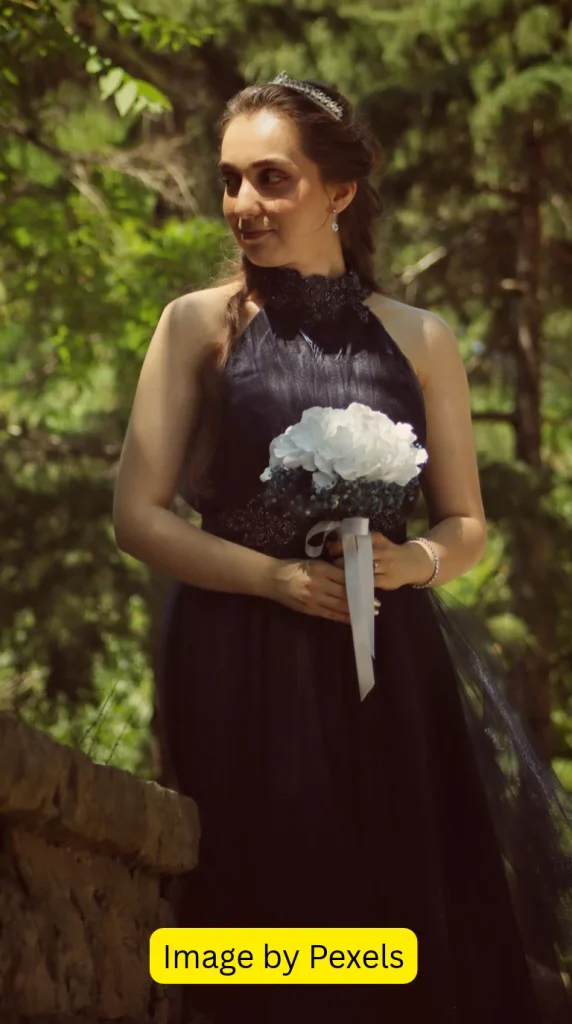
Garden weddings may involve grass, gravel, uneven paths, or outdoor seating. A flowing dress in chiffon or lightweight crepe can be a comfortable option.
Block heels and wedges may be easier to manage on soft ground than narrow stilettos.
Beach wedding
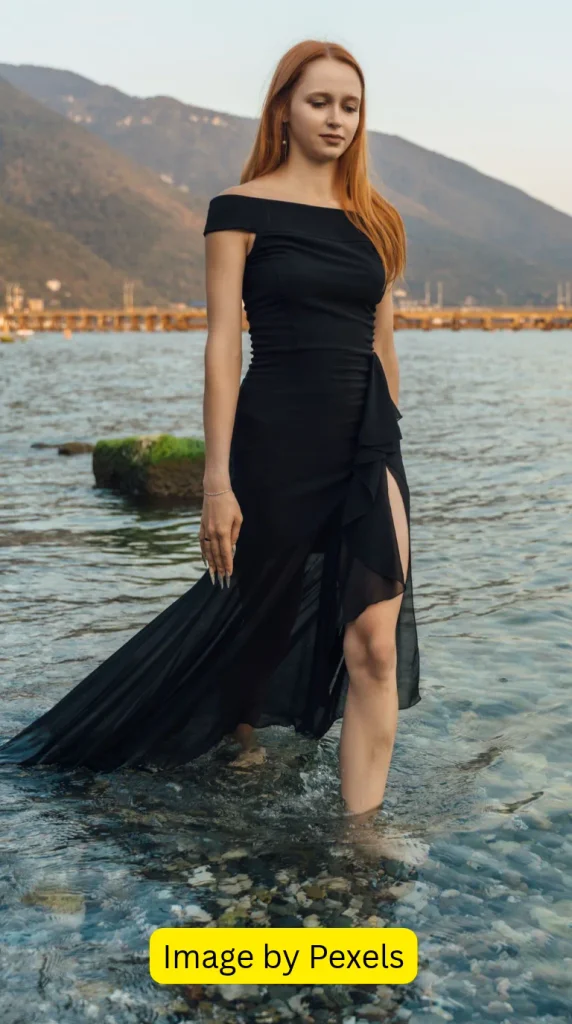
Beach weddings often call for breathable fabric and footwear that is practical on sand. Avoid hems that drag excessively and consider how wind may affect a very lightweight skirt.
Check the invitation for guidance on whether the event is casual, semi-formal, or formal.
Restaurant or city wedding
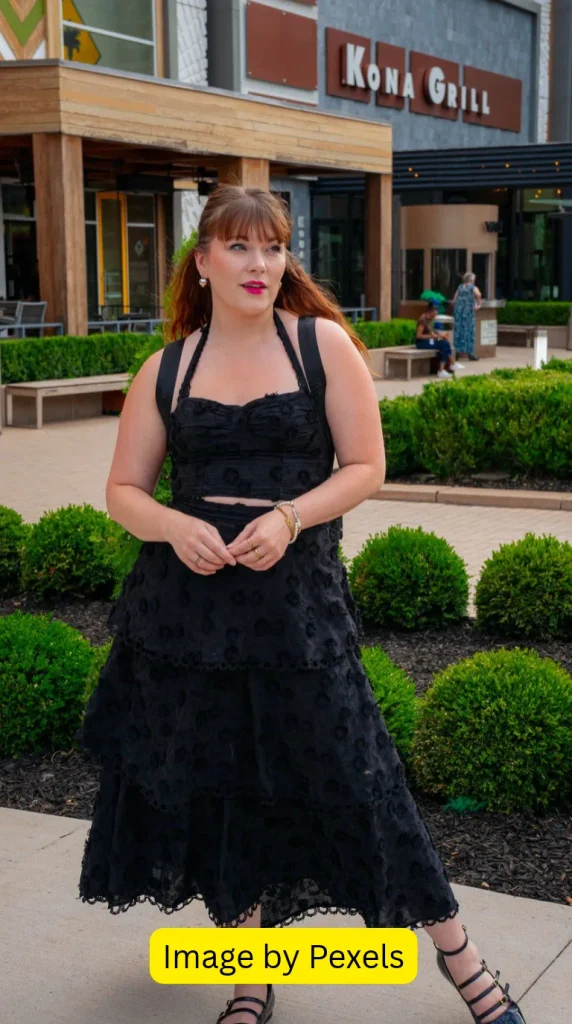
A restaurant or city venue can suit a streamlined maxi dress, a refined midi dress, or a tailored silhouette. The invitation and event timing should determine how formal the outfit needs to be.
Choose shoes that are comfortable enough for walking between locations if necessary.
Outdoor countryside wedding
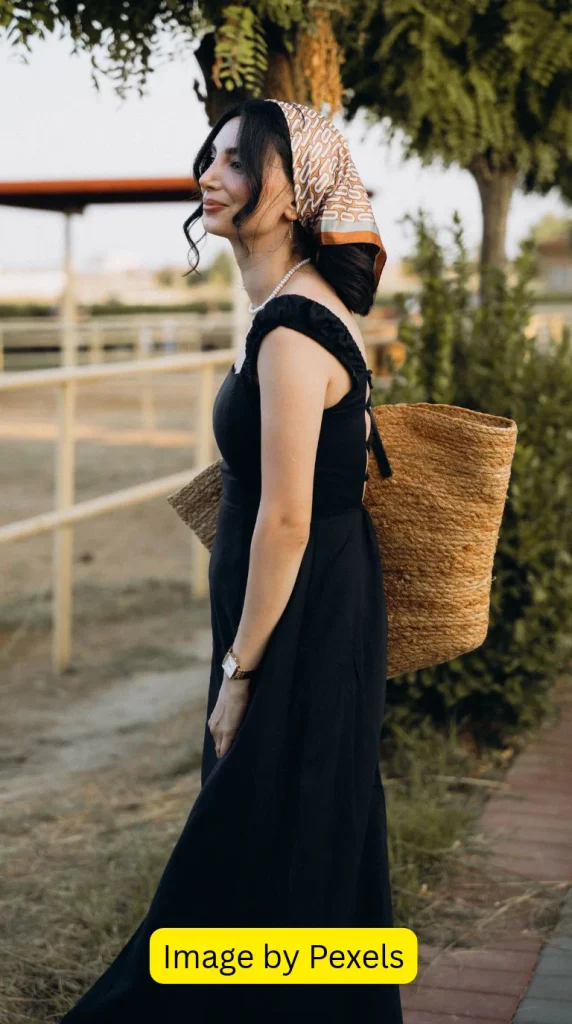
Countryside venues may include lawns, gravel paths, or uneven surfaces. Consider the hem length, heel style, weather, and ease of movement.
A flowing A-line dress can provide an elegant appearance without being overly restrictive.
8. Coordinate Shoes and Accessories
Accessories help determine whether a black dress looks understated, formal, or more contemporary. You do not need to add many pieces to make the outfit feel complete.
Shoes
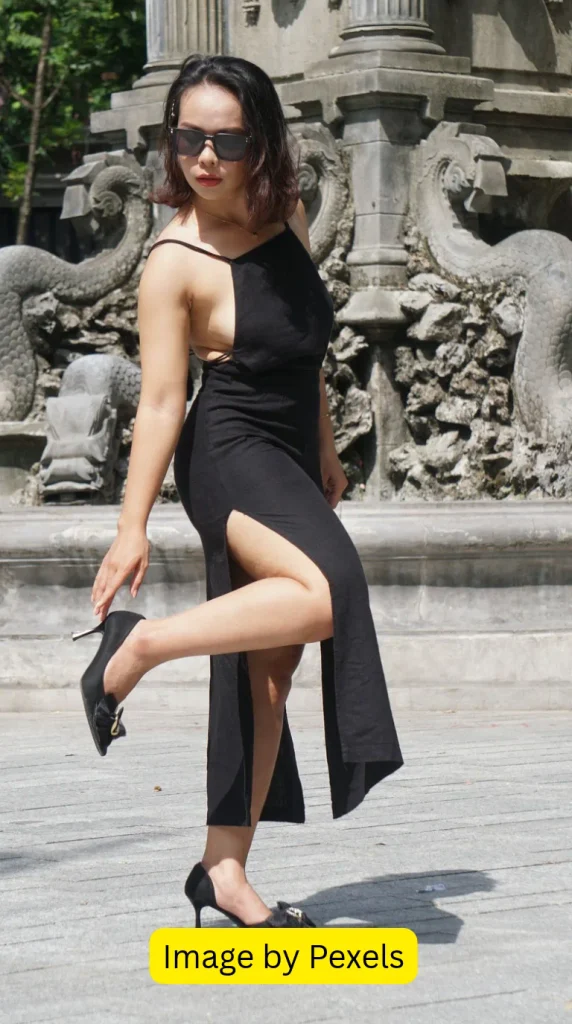
Pumps and dressy sandals are versatile options for indoor celebrations. Elegant flats can also work, depending on the dress code and overall styling.
For outdoor ceremonies, prioritize footwear that suits the ground. If you choose heels, consider whether you will be walking on grass, sand, or uneven paths.
Handbags
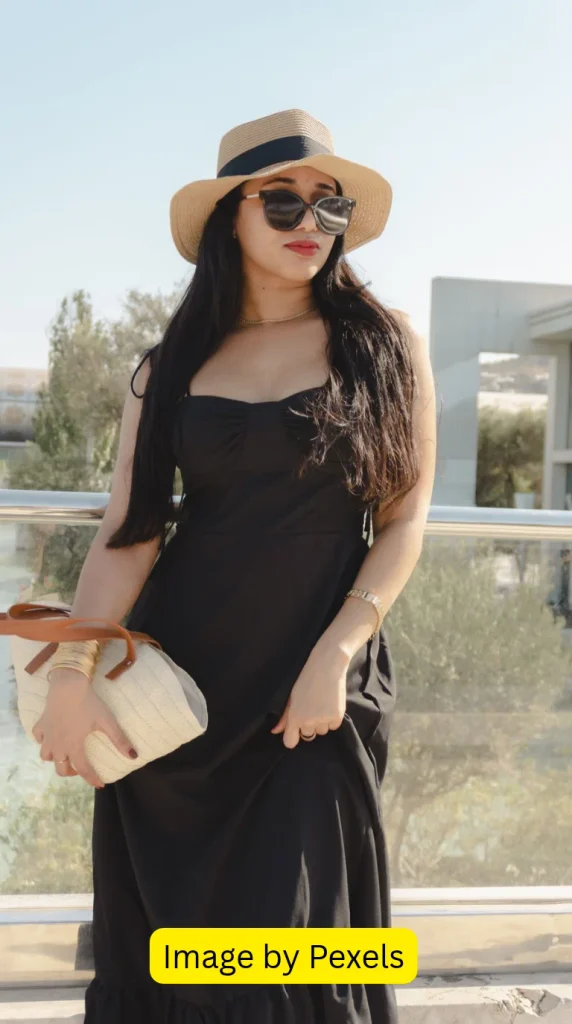
A small clutch or compact evening bag generally complements a formal wedding outfit. Choose a size that holds your essentials without becoming cumbersome.
Metallic, black, and neutral bags are easy to coordinate with many black dresses.
Jewelry
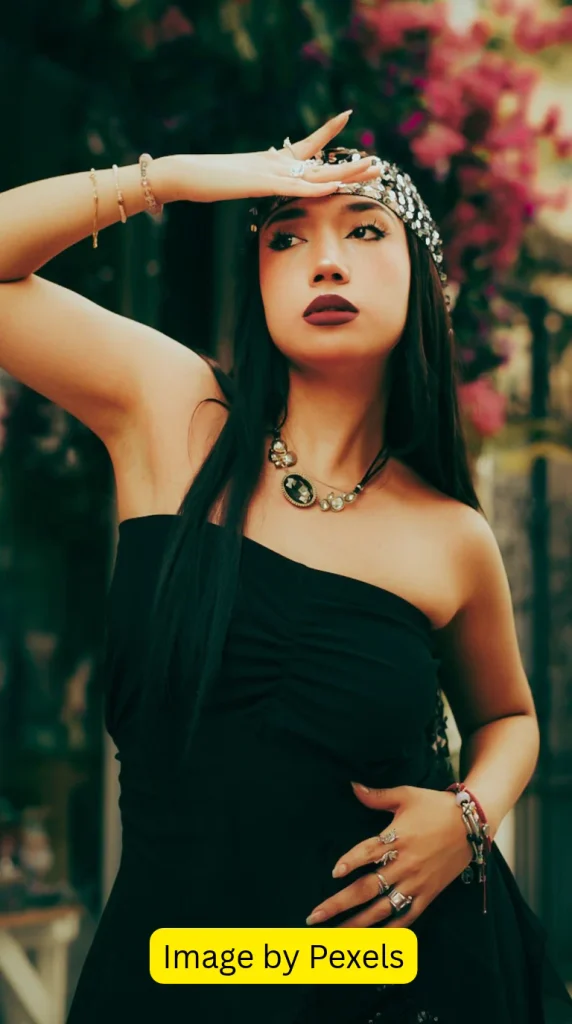
Choose jewelry according to the dress’s neckline and embellishment. A plain dress can accommodate a statement earring or necklace, while a heavily embellished gown often looks more balanced with simpler pieces.
Gold and silver are versatile options, but the best choice depends on the outfit as a whole.
Outer layers
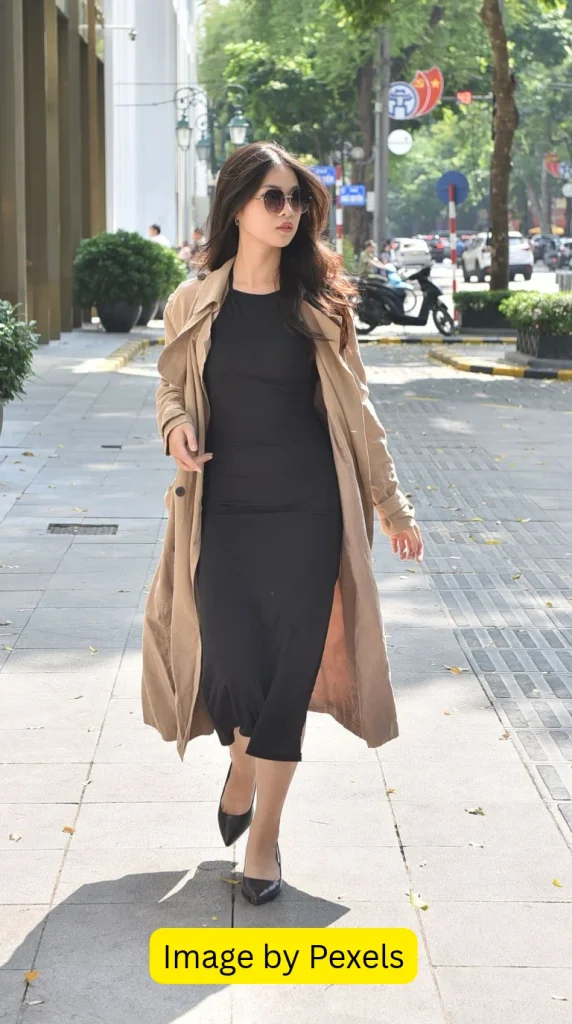
A tailored jacket, formal shawl, or evening wrap can add coverage and help with changing temperatures. Choose a layer that suits the dress’s formality rather than relying on casual outerwear for a formal event.
9. Check Whether Black Is Appropriate for the Wedding
Black is a common wedding guest color in many contemporary settings, but traditions and preferences differ.
Before choosing a dress, consider the invitation, the couple’s guidance, and the cultural context of the celebration. Some couples may request particular colors or discourage certain styles. Others may have no restrictions at all.
If the wedding includes specific cultural or religious traditions, do not assume that the same clothing expectations apply everywhere. Ask the couple or someone familiar with the event if you are unsure.
The goal is to choose an outfit that respects the occasion while allowing you to feel comfortable and appropriately dressed.
10. Avoid These Common Dress-Selection Mistakes
Even a beautiful dress can be impractical if important details are overlooked.
- Ignoring the dress code: Choose the level of formality requested by the couple.
- Buying the wrong length: Make sure the hem works with your shoes and the venue’s terrain.
- Overlooking fabric transparency: Check lightweight fabrics in daylight and under indoor lighting.
- Choosing an uncomfortable fit: Sit, walk, and move your arms before committing to the dress.
- Wearing impractical footwear: Match your shoes to the ground and expected amount of walking.
- Adding too many accessories: Let the dress’s neckline, fabric, or embellishment guide your choices.
- Assuming every wedding has the same color rules: Follow the couple’s guidance and consider local traditions.
- Forgetting the weather: Choose fabric and outer layers that suit the season and venue.
Black Wedding Guest Dress Comparison Table
Use this comparison to narrow your choices according to formality, fabric, and the kind of silhouette you prefer.
| Dress option | Often suitable for | Style impression | What to check |
|---|---|---|---|
| Floor-length satin gown | Formal and evening weddings | Sleek and polished | Creasing, fit, and support |
| Crepe maxi dress | Formal or semi-formal events | Understated and refined | Fabric weight and movement |
| Chiffon maxi dress | Garden and warm-weather weddings | Light and flowing | Lining and wind exposure |
| Velvet gown | Fall and winter weddings | Textured and rich | Indoor temperature |
| Lace dress | Romantic or formal celebrations | Detailed and classic | Transparency and lining |
| A-line dress | Many wedding settings | Balanced and versatile | Waist fit and skirt movement |
| Column dress | Minimalist formal events | Clean and streamlined | Ease of walking and sitting |
| Wrap dress | Semi-formal or daytime weddings | Soft and adjustable | Neckline and skirt coverage |
| Empire-waist dress | Various settings, depending on fabric | Flowing and relaxed | Bodice fit and proportions |
| Pleated dress | Day-to-evening events | Textured and fluid | Hem length and movement |
| Midi dress | Cocktail and semi-formal events | Modern and polished | Dress-code suitability |
| Long-sleeve dress | Cooler weather or more coverage | Refined and covered | Sleeve weight and comfort |
Frequently Asked Questions
What makes a black wedding guest dress look elegant?
An elegant dress generally combines suitable fabric, a comfortable fit, thoughtful proportions, and styling that matches the event. Satin, crepe, velvet, chiffon, and lace can all look elegant when the design suits the wedding’s dress code.
Can I wear a black dress to a wedding?
Yes, black is an acceptable wedding guest color at many contemporary weddings. However, traditions and preferences vary, so check the invitation and follow any color guidance from the couple.
Is a black maxi dress appropriate for a formal wedding?
A well-constructed black maxi dress can be an excellent choice for a formal wedding. For black-tie events, consider a floor-length design in a refined fabric and style it with formal shoes and accessories.
Can I wear a black midi dress to a wedding?
Yes, a black midi dress can suit cocktail, semi-formal, and some formal weddings. Its suitability depends on the dress’s fabric, cut, styling, and the event’s dress code.
What fabric is best for an elegant black wedding guest dress?
There is no single best fabric for every event. Satin and crepe can suit formal celebrations, chiffon is useful for flowing warm-weather designs, velvet can work well in cooler seasons, and lace adds texture and detail.
What shoes should I wear with an elegant black wedding guest dress?
Pumps, dressy sandals, and elegant flats can all work. For outdoor weddings, block heels or wedges may be more practical on grass or soft ground than narrow heels.
How can I make a simple black dress look more formal?
Pair it with refined shoes, a small clutch, and carefully selected jewelry. A tailored wrap or jacket can also add polish. The fabric, construction, and fit of the dress are just as important as the accessories.
Is a black dress suitable for a summer wedding?
It can be, especially when the fabric is lightweight and breathable. Consider chiffon or a suitable lightweight crepe, and choose a lining that feels comfortable in warm weather.
Should I wear a long or short dress to a wedding?
Start with the dress code. Floor-length gowns are a traditional option for formal events, while midi dresses can work well for cocktail and semi-formal celebrations. The venue, season, and couple’s preferences can also influence the decision.
Can I wear a black dress to a traditional or religious wedding?
Expectations vary by culture, religion, and family. Check the invitation or ask someone familiar with the ceremony if you are uncertain about appropriate colors, coverage, or dress length.
Final Thoughts
Choosing an elegant black wedding guest dress becomes easier when you start with the event’s dress code and then consider length, fabric, neckline, silhouette, and venue.
A satin or crepe gown may suit a formal reception, while chiffon, pleats, or a refined midi dress may be more practical for a relaxed or outdoor celebration. Thoughtful accessories and comfortable footwear can complete the outfit without making it feel overdone.
Most importantly, choose a dress that respects the occasion and allows you to move comfortably throughout the celebration. A well-chosen black dress can be timeless, versatile, and appropriate for many different wedding settings.