
Finding a dress outfit you enjoy wearing is about more than choosing a particular silhouette. The fabric, length, waist placement, layering, and occasion all affect how comfortable and confident you feel throughout the day.
Whether you’re getting dressed for brunch, work, a wedding, a graduation, or a casual weekend, the best outfit is one that fits comfortably and suits your personal style. If you prefer less emphasis on your midsection, details such as soft draping, adjustable waistlines, fluid skirts, and open layers can help you create the look you want without relying on restrictive clothing.
These 17 plus-size dress outfit ideas cover different occasions, seasons, and style preferences. Each includes practical details to help you recreate the look with pieces that suit your wardrobe.
1. Empire-Waist Midi Dress With Simple Accessories
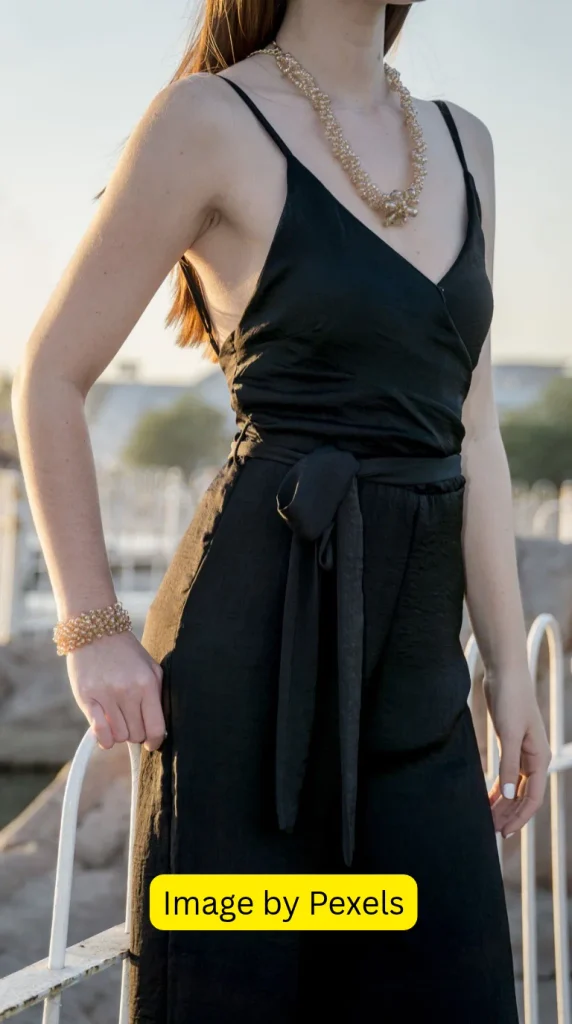
An empire-waist dress has a seam or visual break above the natural waist, with fabric flowing from that point. This creates a different proportion from a dress fitted closely through the middle.
Choose a midi length in a breathable woven fabric or soft jersey. Flat sandals and a small shoulder bag make the outfit suitable for daytime plans, while low heels and delicate earrings can dress it up.
Styling tip: Check where the raised seam sits when you move and sit down. The best placement feels comfortable and allows the skirt to fall naturally.
Best for: Brunch, casual celebrations, daytime events, and warm-weather outings.
2. Wrap Dress With Adjustable Waist Definition
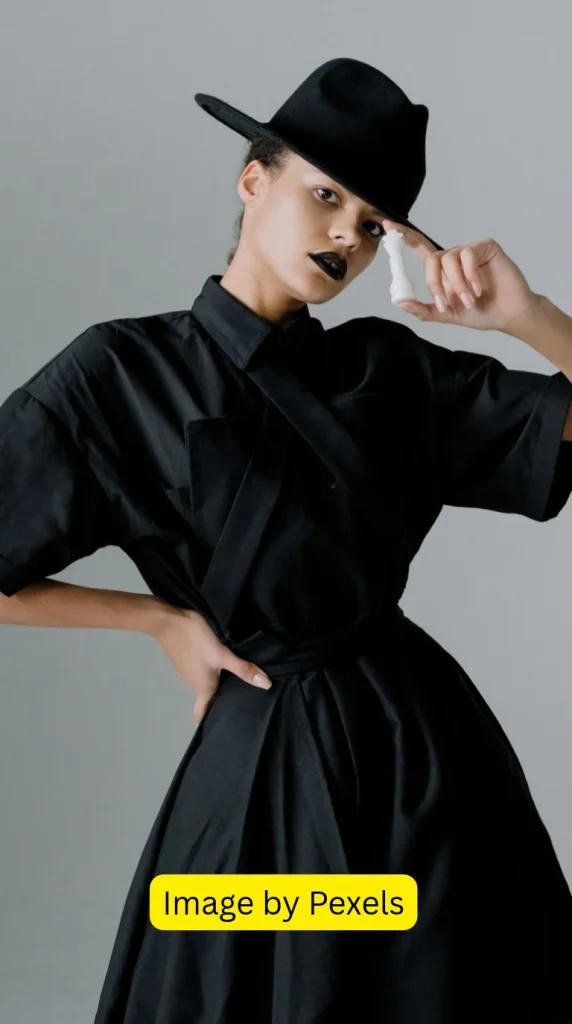
A wrap dress uses overlapping fabric, a tie, or a wrap-inspired front to adjust the shape around the waist. It can be useful when you want some definition without a rigid waistband.
Choose a design with enough room across the bust and hips. A secure inner tie or discreet fastening can help the neckline stay in place throughout the day.
Complete the outfit with block heels, a structured handbag, and simple jewelry. For a relaxed version, swap the heels for clean sneakers or flat sandals.
Styling tip: Tie the waist firmly enough to hold the dress in place, but not so tightly that the fabric pulls or creates uncomfortable folds.
Best for: Work, dinners, wedding-related events, and smart-casual occasions.
3. A-Line Dress With Comfortable Flats
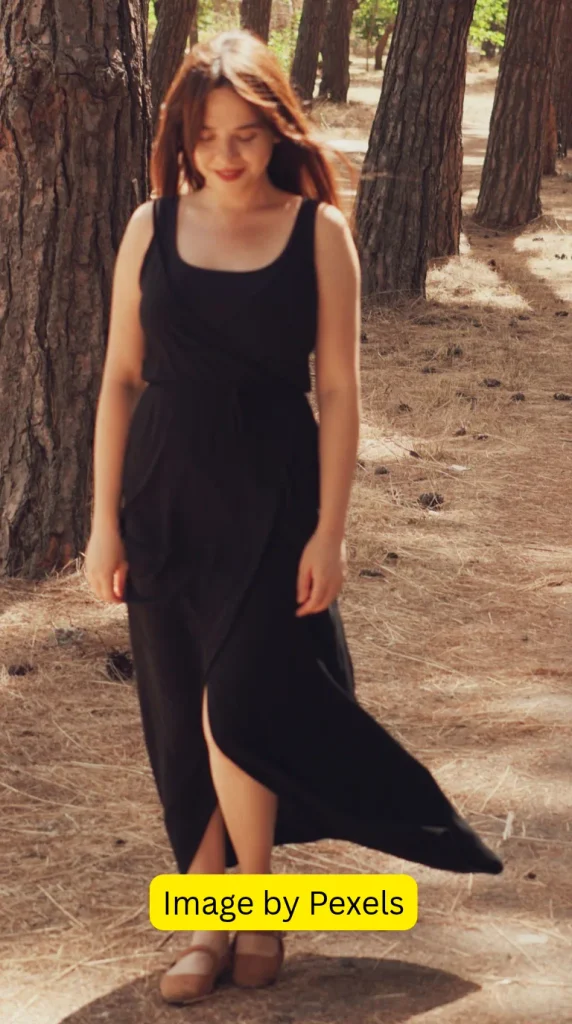
An A-line dress gradually widens from the waist toward the hem. This creates room through the skirt and allows movement without requiring a tight fit around the hips.
A knee-length or midi version works well with ballet flats, loafers, or low-profile sneakers. Add a crossbody bag for everyday errands or a small handbag for a lunch date.
For cooler weather, layer a cropped cardigan or a lightweight jacket that complements the dress’s proportions.
Styling tip: Look for a skirt that moves comfortably when walking and sitting. A lining can improve comfort if the outer fabric is lightweight or slightly sheer.
Best for: Everyday wear, shopping, casual lunches, and travel days.
4. Fit-and-Flare Dress With a Light Jacket
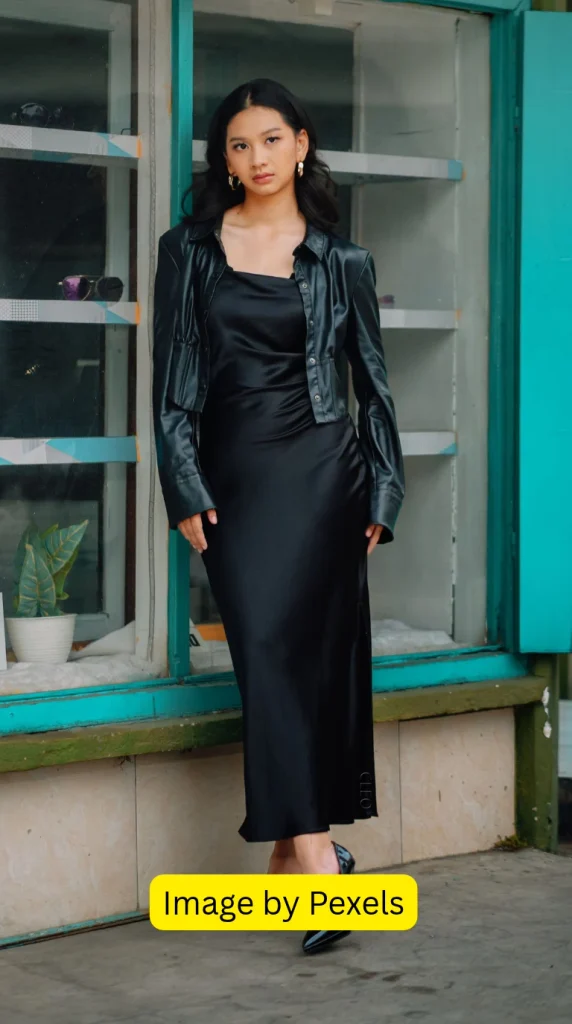
A fit-and-flare dress offers more definition through the upper body and a skirt that opens outward. It can create a balanced outfit without requiring compression or a very fitted silhouette.
For a daytime look, pair a solid-color dress with a denim jacket and comfortable sneakers. For a dressier occasion, choose a tailored jacket, understated earrings, and low heels.
The jacket adds another layer of styling and can be removed when the temperature rises.
Styling tip: Make sure the jacket allows comfortable movement through the shoulders and arms. A layer that pulls across the back can make an otherwise good outfit feel restrictive.
Best for: Casual gatherings, lunch dates, family events, and daytime celebrations.
5. Monochrome Dress Outfit With Coordinated Shoes
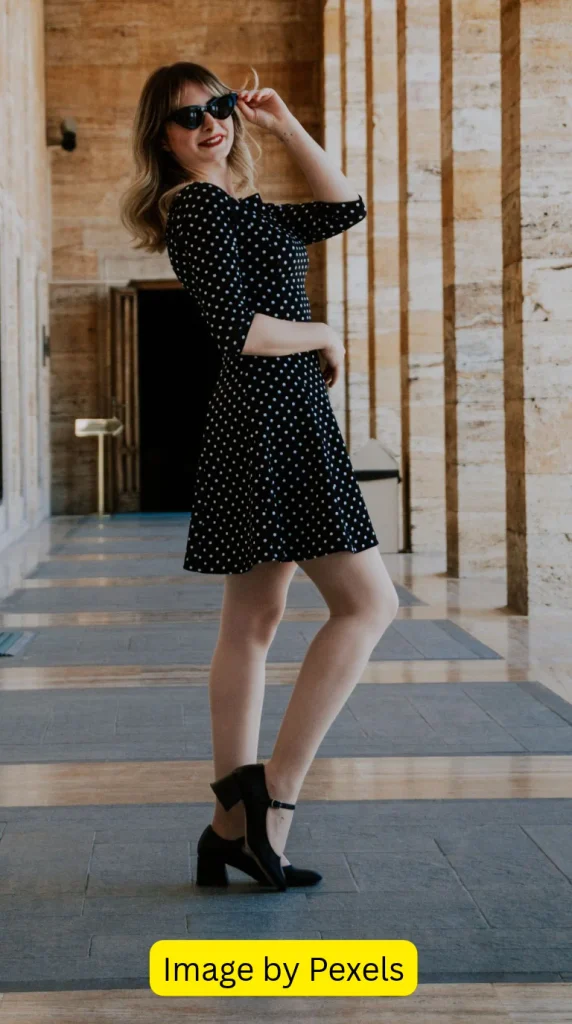
A monochrome outfit uses one color family across the dress and accessories. Black is a classic choice, but navy, chocolate brown, burgundy, olive, and cream can work just as well.
Combine a simple dress with shoes and a bag in a similar shade. You can introduce contrast through texture, such as a matte dress with a smooth leather-look bag or metallic jewelry.
The result is an easy outfit that looks coordinated without requiring many separate pieces.
Styling tip: Use different textures to keep a single-color outfit visually interesting. You don’t need every item to match exactly.
Best for: Work, dinners, travel, and occasions when you want a polished outfit with minimal effort.
6. Tiered Midi Dress With Flat Sandals
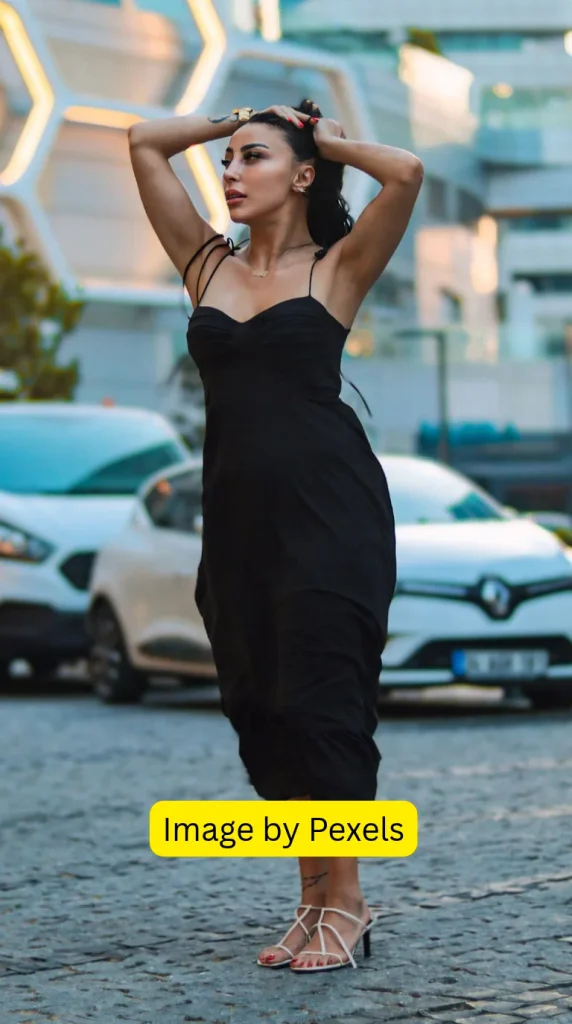
A tiered dress features horizontal sections of fabric that create movement and volume in the skirt. The amount of volume depends on the number of tiers, the fabric, and where each tier begins.
For an easy summer outfit, choose a lightweight tiered midi dress with flat sandals and a woven or canvas bag. Keep jewelry simple if the dress already has a busy print or substantial texture.
If you prefer less volume around the waist, look for tiers that begin lower on the skirt rather than adding several gathered layers around the middle.
Styling tip: Consider the fabric weight. Lightweight cotton or viscose blends may feel more comfortable in warm weather than heavy, densely gathered material.
Best for: Summer outings, vacations, casual parties, and weekend plans.
7. Shirt Dress With a Removable Belt
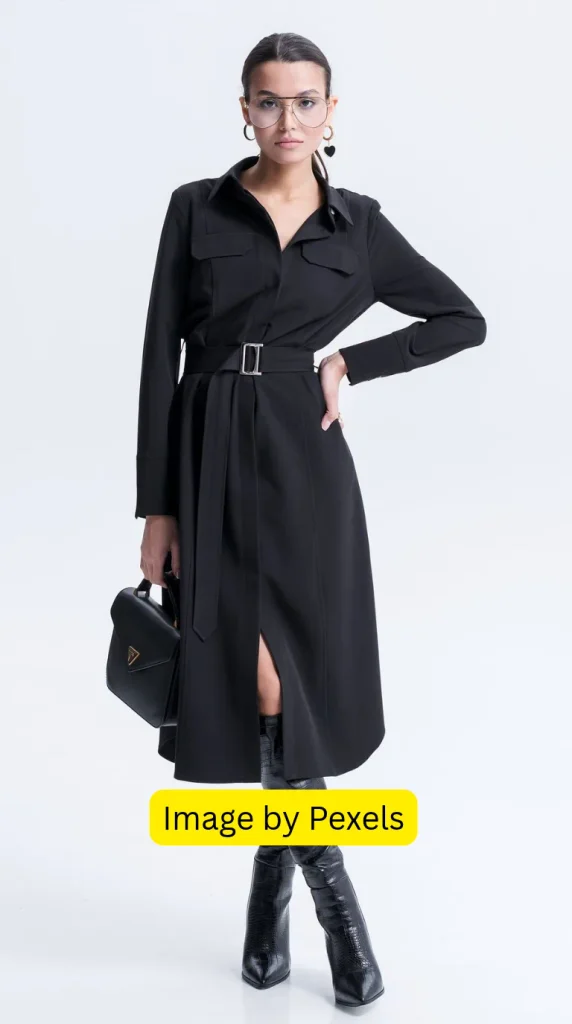
A shirt dress combines the collar and button-front details of a shirt with the length of a dress. It can look relaxed or polished depending on the fabric and accessories.
Choose a version with enough room through the bust, hips, and upper arms. A removable belt lets you experiment with a defined waist or wear the dress loosely for a more relaxed silhouette.
Loafers and a structured tote create a practical daytime outfit. Add ankle boots and a lightweight jacket for cooler days.
Styling tip: If buttons pull open across the bust or hips, try a different cut or size rather than relying on the belt to hold the dress in place.
Best for: Office-casual settings, errands, lunch meetings, and city outings.
8. Softly Draped Dress With Block Heels
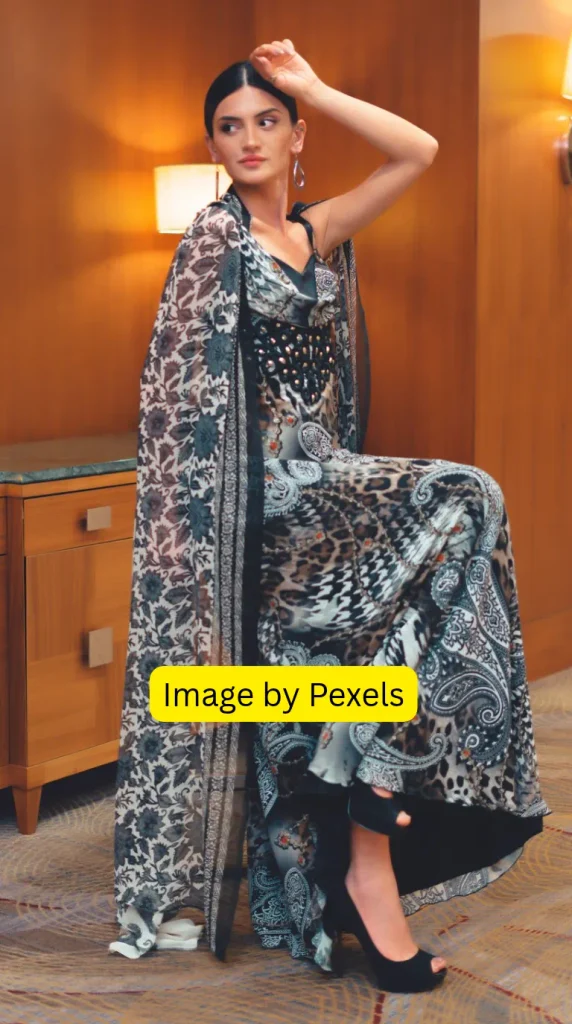
Draping creates folds in the fabric instead of relying on a completely flat, fitted surface. Depending on its construction, it can add movement and soften the lines of a dress.
For a dinner or evening event, choose a draped midi dress with block heels and a compact clutch. A simple neckline and limited accessories can keep the outfit from feeling overly busy.
Stretch crepe, jersey, and other fabrics with comfortable movement can work well, provided the garment is properly lined where necessary.
Styling tip: Check how the draping looks from the front and side. Folds should fall naturally rather than pull sharply across the body.
Best for: Dinner dates, evening gatherings, and semi-formal events.
9. Floral Dress With Neutral Accessories
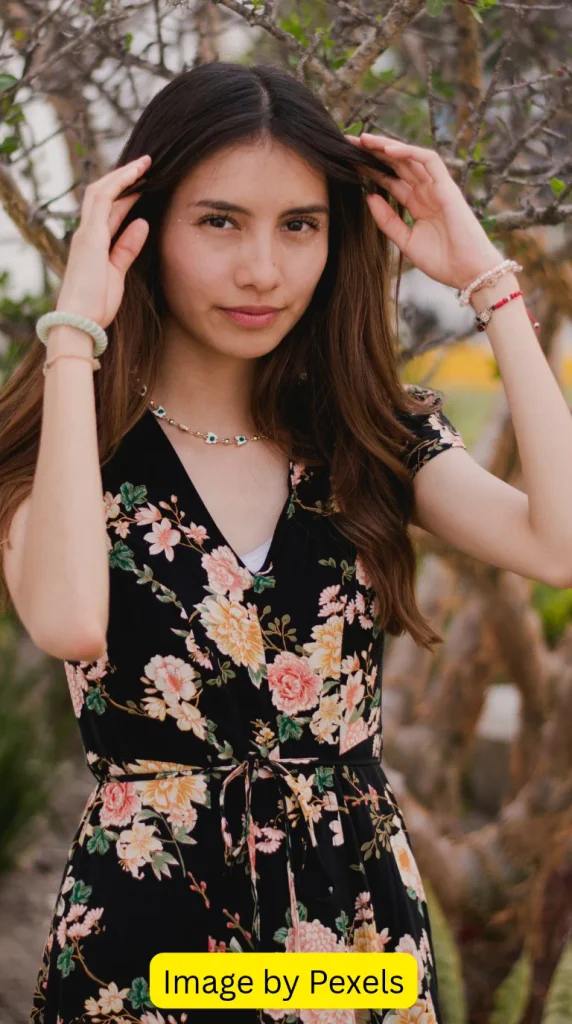
A floral dress brings color and pattern into an outfit without requiring elaborate accessories. Small prints can feel subtle, while larger floral patterns create a more noticeable focal point.
Pair a floral midi dress with nude, tan, brown, or coordinating-color shoes. A simple cardigan can add coverage in air-conditioned spaces or during cooler evenings.
If the print is colorful, choose a bag in one of its existing shades instead of introducing several competing colors.
Styling tip: Prioritize the scale and colors of the print you personally enjoy. There is no single floral pattern that works best for every body shape.
Best for: Garden parties, brunch, spring celebrations, and daytime weddings where the dress code permits it.
10. Sleeved Midi Dress With Low Heels
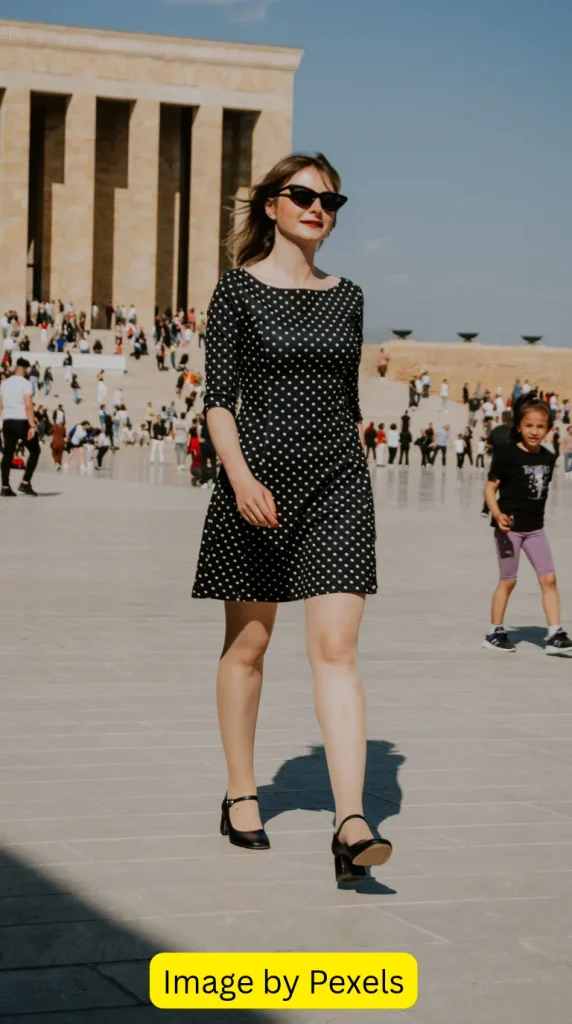
A sleeved midi dress offers a simple one-piece outfit when you want more arm coverage or prefer not to layer over a dress.
Depending on the occasion, choose short sleeves, elbow-length sleeves, or a longer sleeve in a breathable fabric. Pair the dress with low heels and a compact handbag for a neat, comfortable finish.
For cooler weather, a longline coat can complement the midi length without requiring a bulky layer underneath.
Styling tip: Check sleeve width and armhole placement. Sleeves should let you raise your arms and move comfortably rather than pulling at the shoulder seam.
Best for: Office days, family gatherings, dinners, and smart-casual events.
11. Pleated Midi Dress With Minimal Jewelry

Pleats add texture and movement to a dress. Depending on how they are constructed, they may be sharp and structured or soft and flowing.
A pleated midi dress can be styled with simple sandals for daytime or pointed flats and a small clutch for an evening event. A plain cardigan or cropped jacket can add warmth without competing with the pleats.
Because the skirt already has visual detail, you can keep the rest of the outfit uncomplicated.
Styling tip: Sit down and walk around in the dress before an event. Some pleats open significantly during movement, so check that the fit and lining remain comfortable.
Best for: Work functions, dinners, celebrations, and occasions that call for a polished look.
12. Knit Dress With a Longline Cardigan
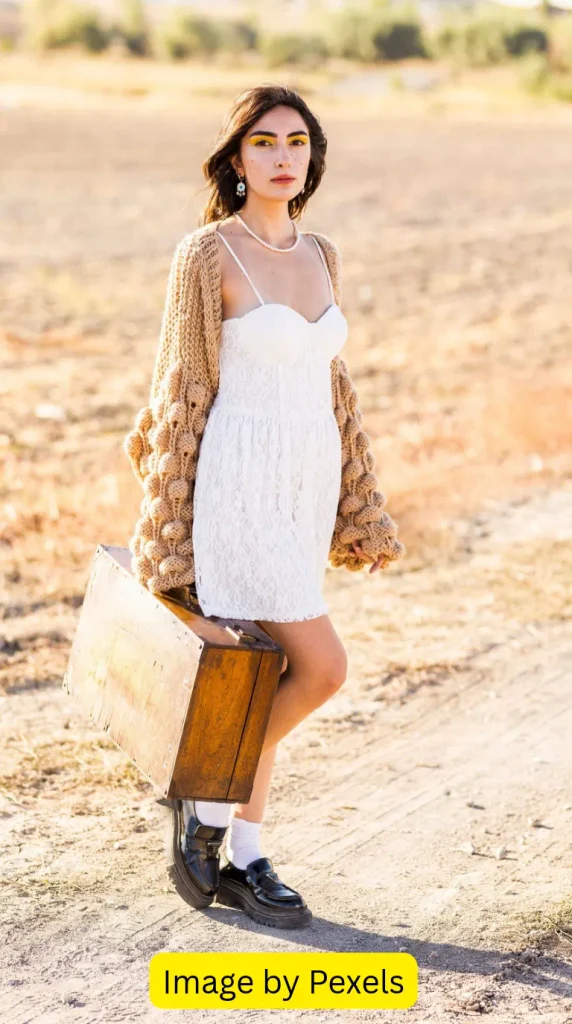
A knit dress offers an easy option for cooler days. The weight and stretch of the knit make a difference: a lightweight knit drapes differently from a thick ribbed sweater dress.
Add a longline cardigan, ankle boots, and a shoulder bag for a practical layered outfit. If you prefer a more defined shape, choose a cardigan that can be worn open or secured with a removable belt.
For warmer indoor settings, a lighter knit may be more comfortable than a heavy sweater dress.
Styling tip: Look at the fabric composition and care label. Some knits stretch with wear, while others may shrink or change shape if washed incorrectly.
Best for: Autumn outings, casual office days, coffee dates, and cool-weather errands.
13. Black Maxi Dress With a Lightweight Kimono
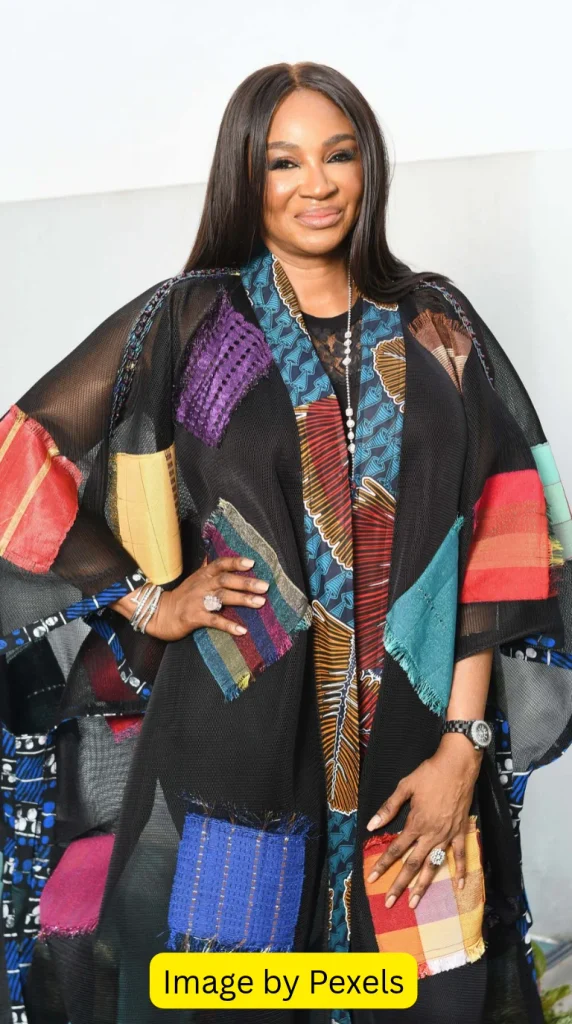
A black maxi dress can serve as a versatile base for many outfits. Adding a lightweight kimono or open-front layer introduces color, print, or texture without requiring a completely different dress.
For daytime, pair the dress with flat sandals and a crossbody bag. For an evening look, choose metallic accessories and a more structured handbag.
The key is to select a layer that suits the weather and does not overwhelm the dress.
Styling tip: If the maxi dress already has a loose fit, try a kimono that falls smoothly rather than one with excessive fabric. The combination should feel easy to move in.
For more specific advice about choosing black maxi dresses around the midsection, see our dedicated guide to black maxi dress styles for women with a belly.
Best for: Casual dinners, travel, evening walks, and relaxed social events.
14. Structured Dress With a Tailored Blazer
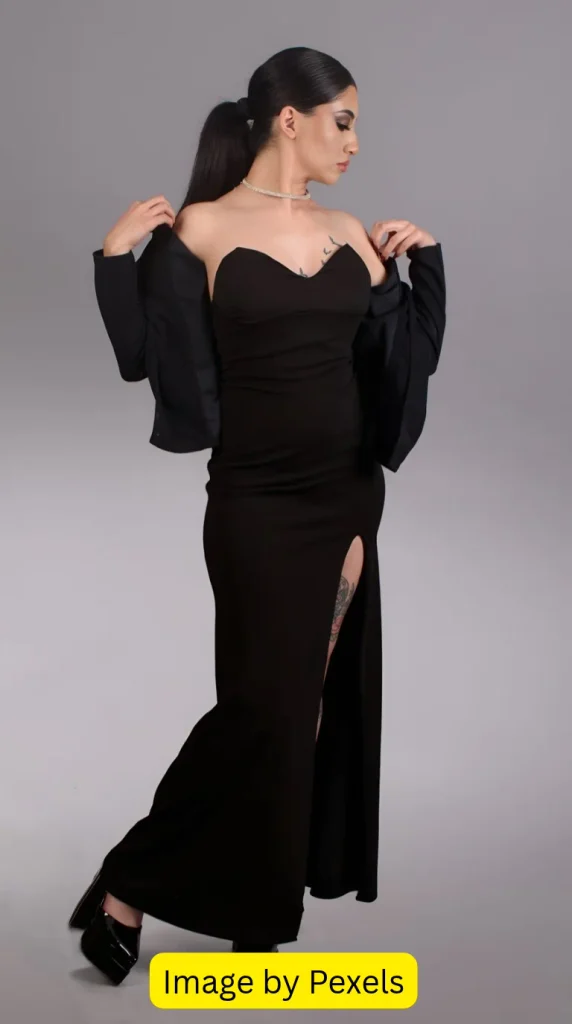
A tailored blazer can turn a simple dress into an outfit suitable for a meeting, presentation, or smart-casual occasion.
Start with a dress that fits comfortably through the bust and hips. Add a blazer with enough room across the shoulders and upper arms, then finish with loafers, low heels, or ankle boots.
A blazer does not need to be tightly fitted to look polished. A gently shaped or straight-cut design can work well depending on your preferred style.
Styling tip: Check the blazer both open and closed. If the front pulls or the sleeves restrict movement, a different cut may work better.
Best for: Business-casual offices, conferences, presentations, and professional lunches.
15. Casual Jersey Dress With Clean Sneakers
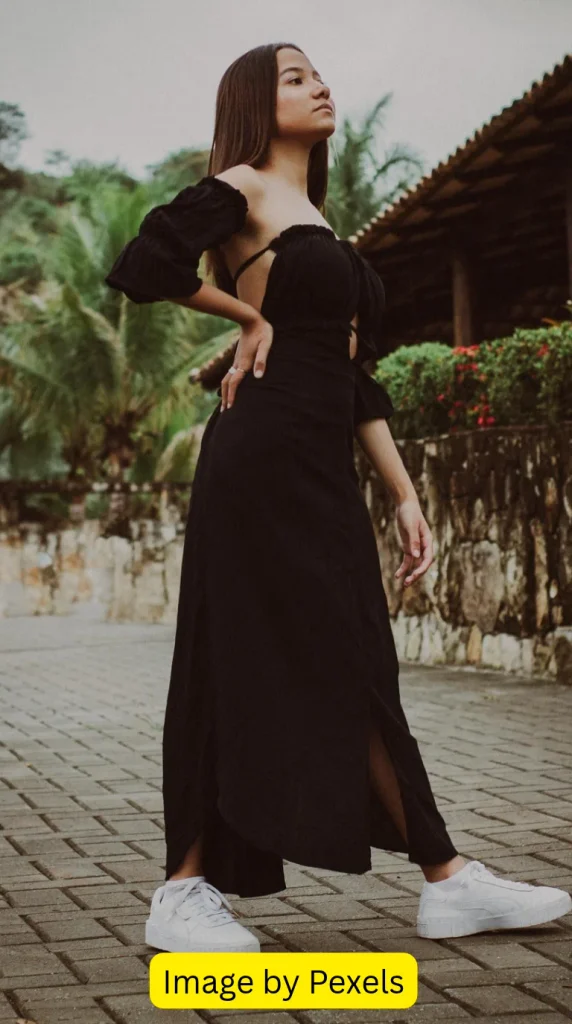
A jersey dress is a practical option for days when comfort and easy movement matter. The fabric is generally knitted, giving it stretch, although weight and fit vary considerably between designs.
Pair a knee-length or midi jersey dress with clean sneakers and a denim jacket. A backpack or crossbody bag keeps the outfit functional for errands and travel.
If you prefer a less fitted look, try a relaxed cut or a dress with gentle gathering rather than sizing down for a tighter fit.
Styling tip: Look for fabric that feels comfortable against your skin and provides the coverage you want. A lightweight jersey may need a slip or suitable undergarments depending on its opacity.
Best for: Errands, sightseeing, casual weekends, and long travel days.
16. Occasion Dress With a Defined Waist and Flowing Skirt
For weddings, graduations, and milestone celebrations, an occasion dress with a defined waist and flowing skirt can combine structure with freedom of movement.
Choose a dress code-appropriate length and fabric. A midi dress in crepe or chiffon can work for many semi-formal events, while more formal celebrations may call for a floor-length design.
Complete the outfit with comfortable dress shoes, a clutch, and accessories that complement the neckline.
Styling tip: If you will be standing, walking, or dancing for several hours, test the shoes and dress together before the event. Check the hem length, lining, and ease of movement.
Best for: Graduations, wedding celebrations, formal dinners, and special occasions.
17. Simple Dress With a Statement Accessory
Sometimes the easiest outfit starts with a dress you already own. A simple solid-color dress can feel different when styled with a bold necklace, colorful bag, patterned scarf, or distinctive shoes.
Choose one main accessory and let it provide the focal point. For example, a plain midi dress can work with a bright handbag and neutral flats, while a simple evening dress can be finished with statement earrings and elegant heels.
This approach is also useful when you want more outfit variety without buying an entirely new wardrobe.
Styling tip: Consider the dress’s neckline before choosing jewelry. A high neckline may work well with earrings, while a simpler open neckline can leave room for a necklace.
Best for: Everyday outfits, dinner plans, casual celebrations, and refreshing wardrobe basics.
Comparison Table: Which Plus Size Dress Outfit Should You Try?
| Outfit style | Useful feature | Best occasions |
|---|---|---|
| Empire-waist midi | Raised waist and flowing skirt | Brunch, daytime events |
| Wrap dress | Adjustable waist definition | Work, dinners |
| A-line dress | Room through the skirt | Everyday wear |
| Fit-and-flare | Defined upper section, fuller skirt | Casual celebrations |
| Monochrome dress | Coordinated color palette | Work, travel, dinners |
| Tiered midi | Movement and relaxed volume | Summer outings |
| Shirt dress | Button-front styling and versatility | Office-casual, errands |
| Draped dress | Soft folds and movement | Evening events |
| Floral dress | Color and pattern | Brunch, garden parties |
| Sleeved midi | Built-in arm coverage | Work, gatherings |
| Pleated midi | Texture and movement | Dinners, celebrations |
| Knit dress | Comfortable cool-weather option | Autumn, casual days |
| Black maxi with kimono | Easy layering | Travel, relaxed evenings |
| Dress with blazer | Structured outer layer | Professional settings |
| Jersey dress with sneakers | Stretch and casual comfort | Errands, travel |
| Occasion dress | Dressier fabric and finish | Graduations, weddings |
| Simple dress with statement accessory | Easy outfit variation | Everyday and evening wear |
How to Choose a Dress That Feels Comfortable Through the Midsection
There is no single dress shape that works best for every person. Start with the fit and features you prefer, then consider how the dress behaves during normal movement.
Choose fabric for the occasion
Lightweight cotton, linen blends, and breathable viscose fabrics can be useful in warm weather. Crepe, lined jersey, and certain woven fabrics may suit dressier settings. Fabric names alone do not guarantee comfort, so check weight, lining, stretch, and care requirements.
Decide how much waist definition you prefer
Some people enjoy wrap fronts, removable belts, or shaped seams. Others prefer a straight or relaxed silhouette. Neither approach is inherently better; choose the one that feels comfortable and reflects your style.
Check the fit while moving
Try sitting, walking, reaching, and climbing a step in the dress. Watch for pulling at the bust, tightness around the hips, seams that dig in, or a hem that makes walking difficult.
Use layers for styling, not as a requirement
Cardigans, blazers, kimonos, and lightweight jackets can add warmth or change an outfit’s formality. You do not need to cover any particular part of your body to wear a dress well.
Prioritize comfort over restrictive sizing
Avoid choosing a smaller size just to obtain a particular silhouette. A dress that lets you breathe, sit, and move comfortably will generally be more practical for a full day or evening.
Common Styling Mistakes to Avoid
- Choosing fabric without checking its weight: Heavy or stiff material may feel uncomfortable in warm weather, while very thin fabric may require a lining.
- Using a belt that feels too tight: A belt should add the amount of definition you prefer without restricting breathing or movement.
- Ignoring the dress code: A casual jersey dress may be perfect for daytime errands but not appropriate for every formal event.
- Adding too many competing details: If a dress has a bold print or pleated skirt, simple accessories can help keep the outfit balanced.
- Forgetting footwear comfort: Check the shoe height and stability if you expect to walk or stand for long periods.
- Assuming every outfit must minimize the midsection: You can choose a fitted, relaxed, draped, or structured dress based on your own taste. The goal is to find something you enjoy wearing.
Frequently Asked Questions
1. What type of dress is comfortable for a fuller midsection?
Wrap dresses, empire-waist styles, A-line dresses, and softly draped designs are common options to try. The best choice depends on the garment’s fit, fabric, waist placement, and your comfort preferences.
2. Can plus-size women wear fitted dresses?
Yes. A fitted dress can be a great choice if you like its look and it allows comfortable movement. Look for suitable stretch, supportive construction where needed, and a fit that does not pull across seams.
3. Are A-line dresses a good everyday option?
A-line dresses can be practical because the skirt offers room for movement. They work with flats, sneakers, sandals, or boots depending on the dress length and season.
4. How can I make a simple dress look more polished?
Try a tailored jacket, coordinated shoes, a structured handbag, or a small number of well-chosen accessories. The best combination depends on the dress and the occasion.
5. What should I wear over a plus-size dress?
A cardigan, blazer, denim jacket, kimono, or longline coat can work well. Choose a layer suited to the weather and ensure it allows comfortable movement through the shoulders and arms.
6. Which fabrics work well for warm-weather dresses?
Breathable cotton, linen blends, and lightweight viscose fabrics are options to consider. Check the fabric weight, lining, and care label because construction can affect how cool and comfortable a garment feels.
7. Can I wear a maxi dress for everyday activities?
Absolutely. A casual maxi dress can be styled with sneakers, flat sandals, or comfortable boots. Check the hem length to make sure it does not drag or interfere with walking.
8. How do I choose a dress for a wedding or graduation?
Start with the event’s dress code, venue, weather, and expected amount of walking or standing. Then choose a suitable length, comfortable shoes, and accessories that complement the dress without making it difficult to move.
9. Do dark colors have to be used to create a flattering outfit?
No. Dark colors are one styling option, but prints, lighter shades, monochrome combinations, and contrasting accessories can all create attractive outfits. Choose colors you enjoy and feel comfortable wearing.
10. How can I find plus-size black maxi dresses that suit my preferences?
Compare neckline, waist placement, skirt shape, fabric weight, lining, and length rather than relying on one label alone. For more focused inspiration, read our guide to black maxi dress styles for women with a belly.
Final Thoughts
The best plus-size dress outfit is one that suits your plans, feels comfortable, and reflects your personal style. A wrap dress may be ideal for a busy workday, while a flowing midi can work for a relaxed weekend and a tailored occasion dress may be more appropriate for a formal celebration.
Experiment with fabric, length, layering, and accessories to find combinations you enjoy. You do not need to follow a strict set of rules or hide your shape to look polished. Start with a comfortable fit, choose details that appeal to you, and build outfits that work for your everyday life.